Porto’s cooking comes from the north of Portugal: rainy winters, Atlantic fishing boats, pig-raising villages and the vineyards of the Douro. The result is generous, unfussy and deeply seasonal — stews and roasts, grilled fish, salt cod in a hundred forms, and pastries built for a mid-morning coffee. Add a world-famous fortified wine and a sandwich that has become a civic monument, and you have one of Europe’s most rewarding food cities for travellers who like to eat well rather than expensively.
01How eating works in Porto
- Meal times. Lunch runs roughly 12:30–15:00; dinner from about 19:30, with locals filling dining rooms after 20:30.
- Prato do dia. At lunch many restaurants offer a dish of the day, often with soup, a drink and coffee, at a good price. It is the best-value meal in the city.
- Couvert. Bread, butter, olives or cheese brought before you order are charged if you eat them. Send them back if you do not want them — nobody minds.
- Portions. Generous. A meia dose (half portion) is often enough for one, and many dishes are designed to share.
- Tipping. Not obligatory. Rounding up or leaving around 5–10% for good service at sit-down restaurants is appreciated.
- Reservations. Essential for well-known restaurants on Friday and Saturday nights, and for anywhere with a view.
02Dishes to order
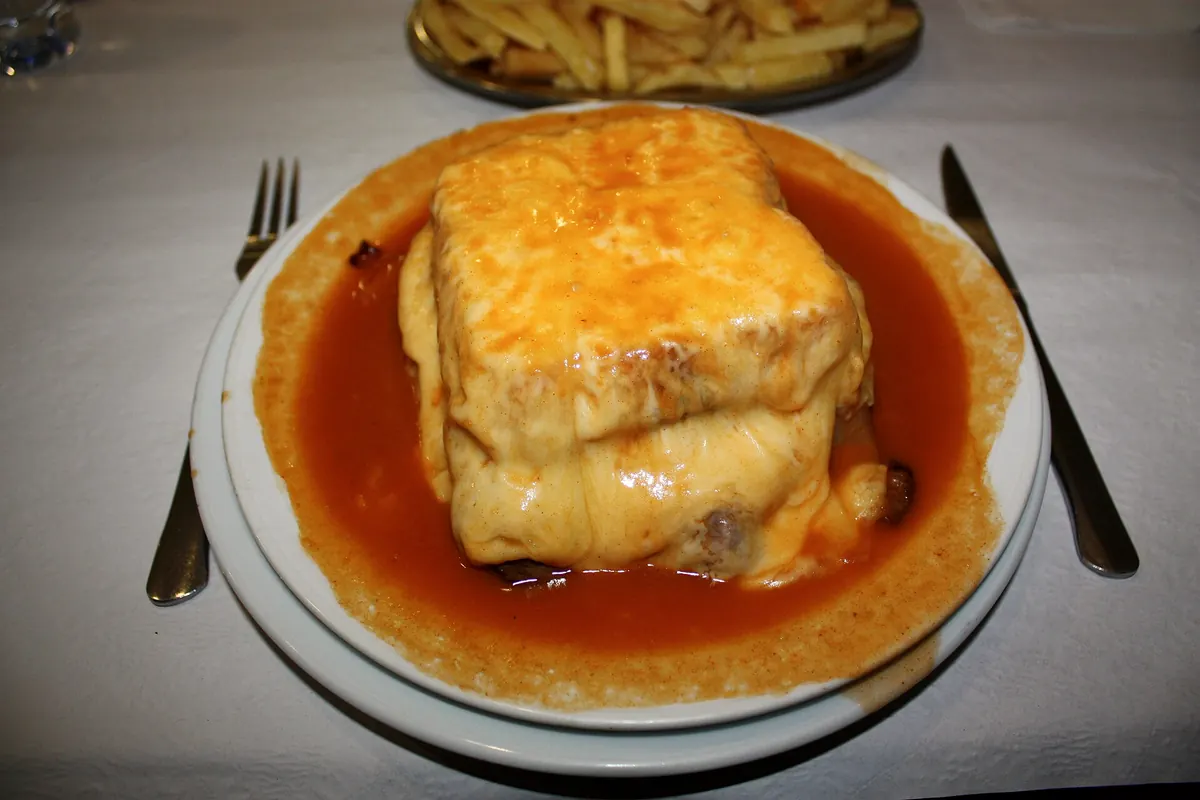
Francesinha
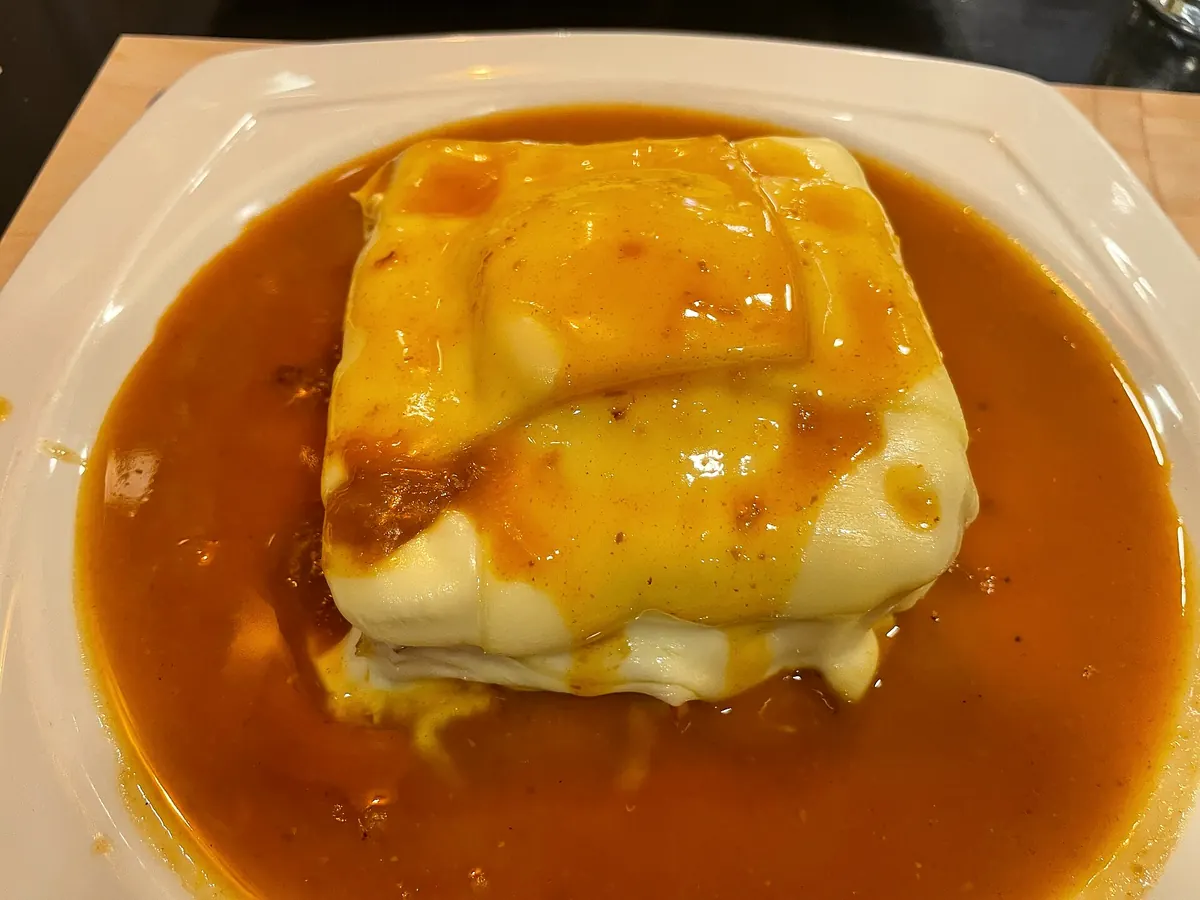
The city’s most famous dish is a sandwich only in the loosest sense: layers of bread, steak, ham and sausage, covered in melted cheese and drowned in a hot, peppery tomato-and-beer sauce, often with a fried egg on top and fries on the side. It is commonly credited to a returning emigrant in the 1950s who adapted the croque-monsieur for Porto tastes. Every café has an opinion on the sauce. Order one to share unless you are very hungry.
Tripas à moda do Porto
A slow-cooked stew of tripe, white beans, sausage and spices, eaten in Porto for centuries. Local legend ties it to 1415, when the city supposedly gave its meat to the fleet sailing for Ceuta and kept the offal for itself — which is why people from Porto are still called tripeiros. It is an acquired taste; try a small portion.
Bacalhau
Salt cod is a national obsession, and Porto has its own preparations, including bacalhau à Gomes de Sá, a baked dish of cod, potato, onion, olives and egg created in the city. Grilled cod with olive oil and potatoes (à lagareiro) is the classic restaurant version.
Bifana and sandes de pernil
The great Porto snacks: a thin pork steak simmered in a garlicky, spiced liquid and served in a roll (bifana), and the slow-roasted pork leg sandwich (sandes de pernil), sometimes with cheese from the Serra da Estrela.
Polvo, arroz and the catch of the day
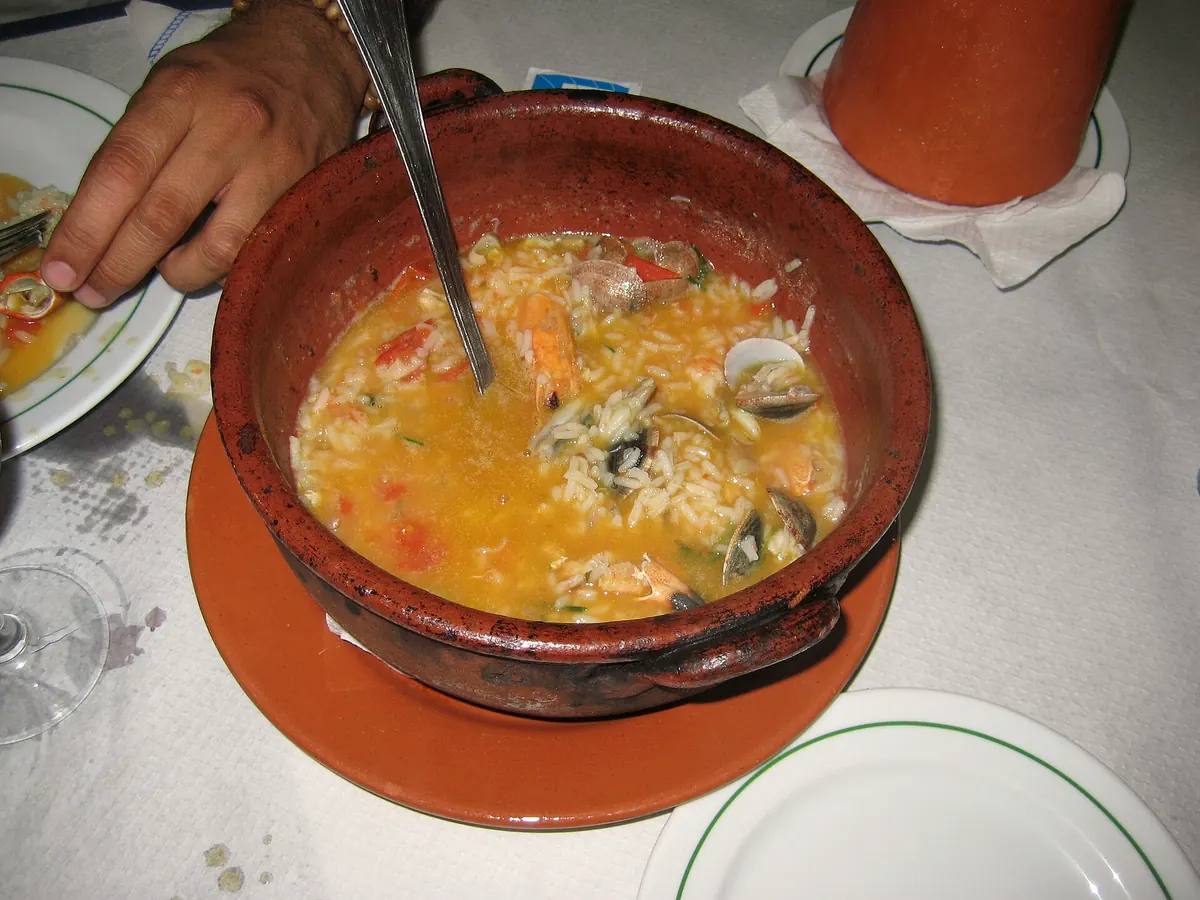
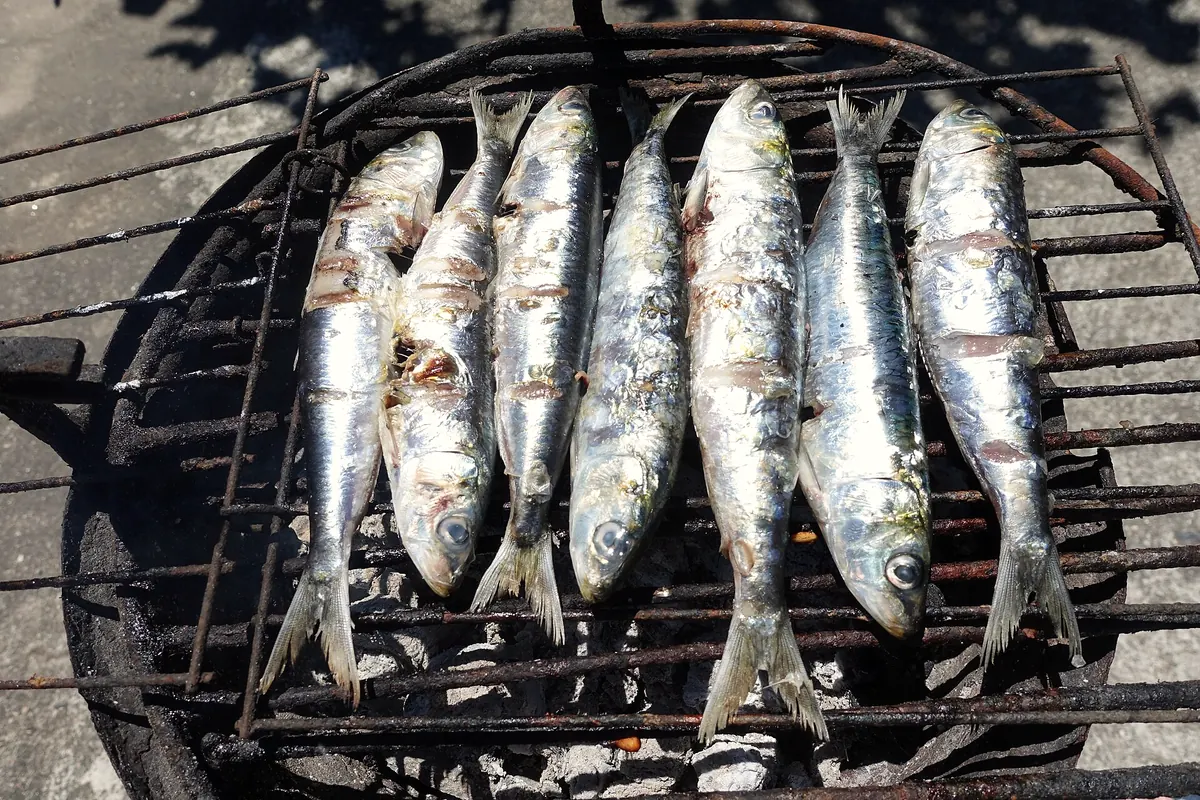
Octopus roasted with olive oil and garlic, rich seafood rice for two (arroz de marisco), and whole grilled fish priced by weight — sea bass, bream, turbot or sardines in summer. Always ask the price per kilo before choosing a fish.
03Markets, cafés and pastries
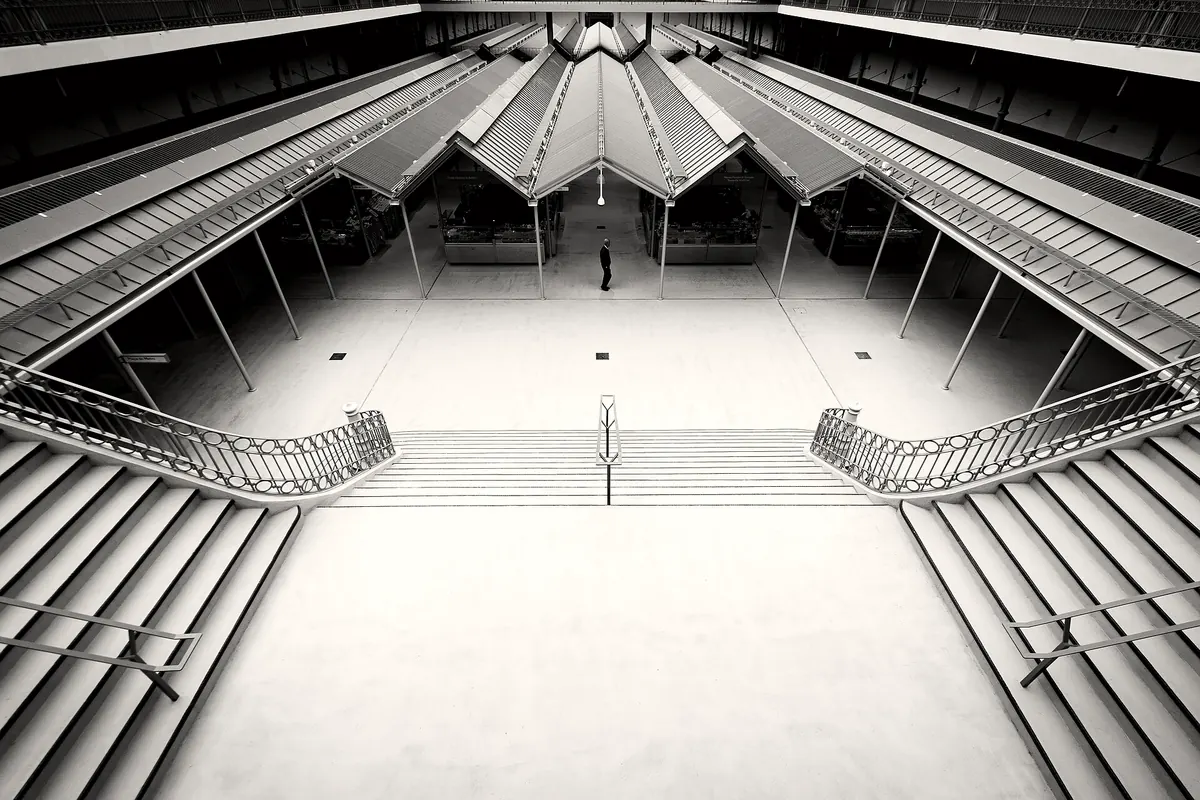
Mercado do Bolhão is the place to start. Restored and reopened in September 2022, the market keeps its traditional ground floor of fish, meat, fruit, flower and bread stalls, with small restaurants and shops around the upper gallery. Go in the morning for the full life of the place.
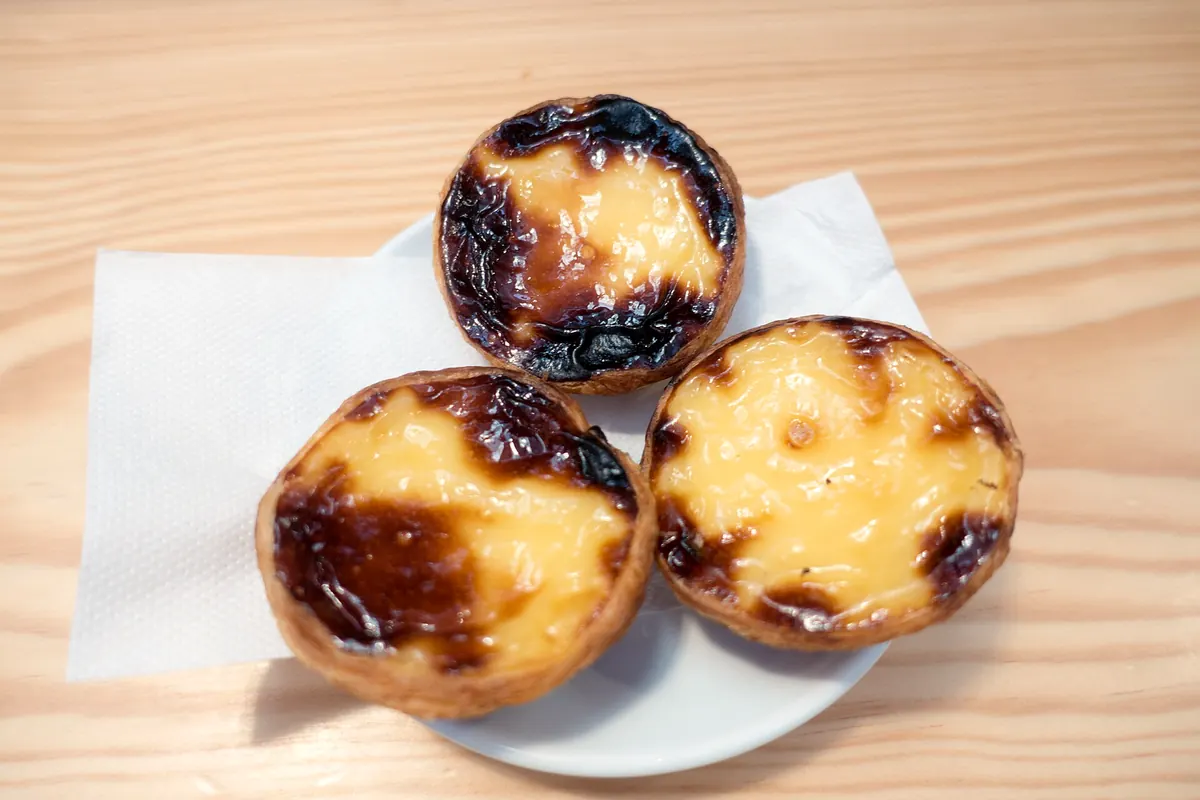
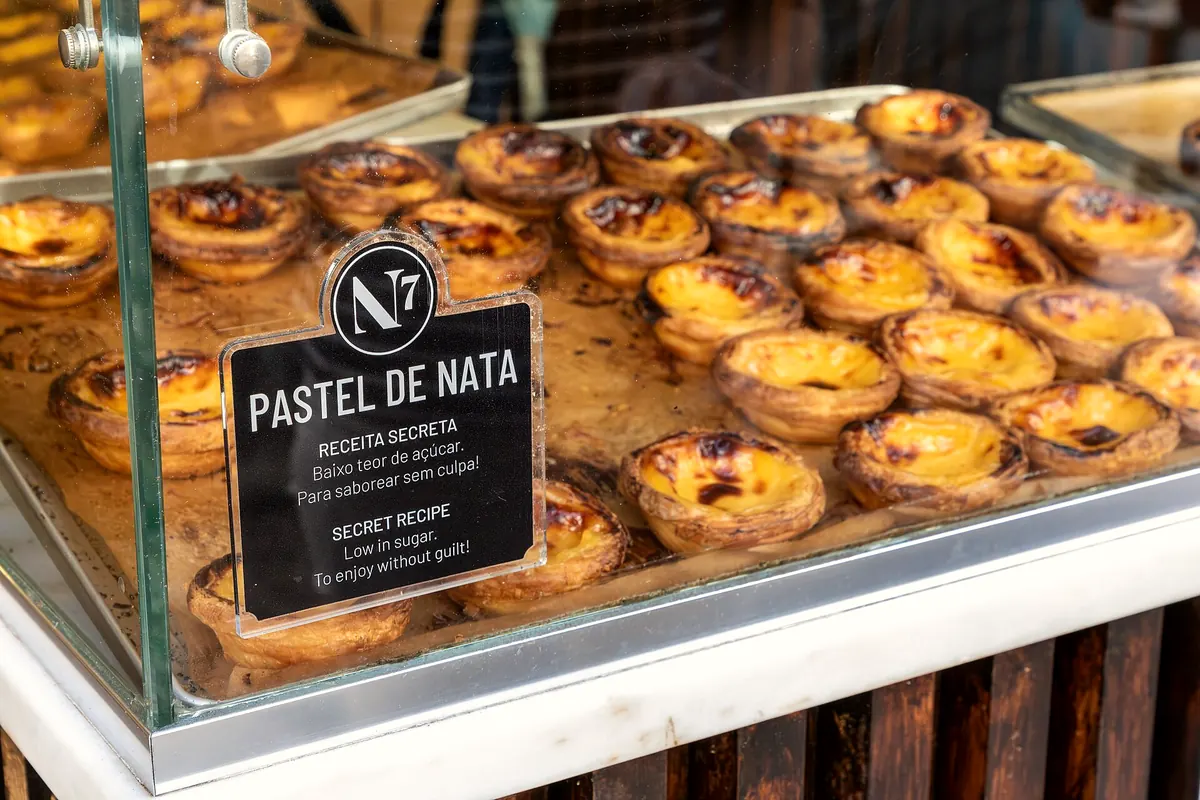
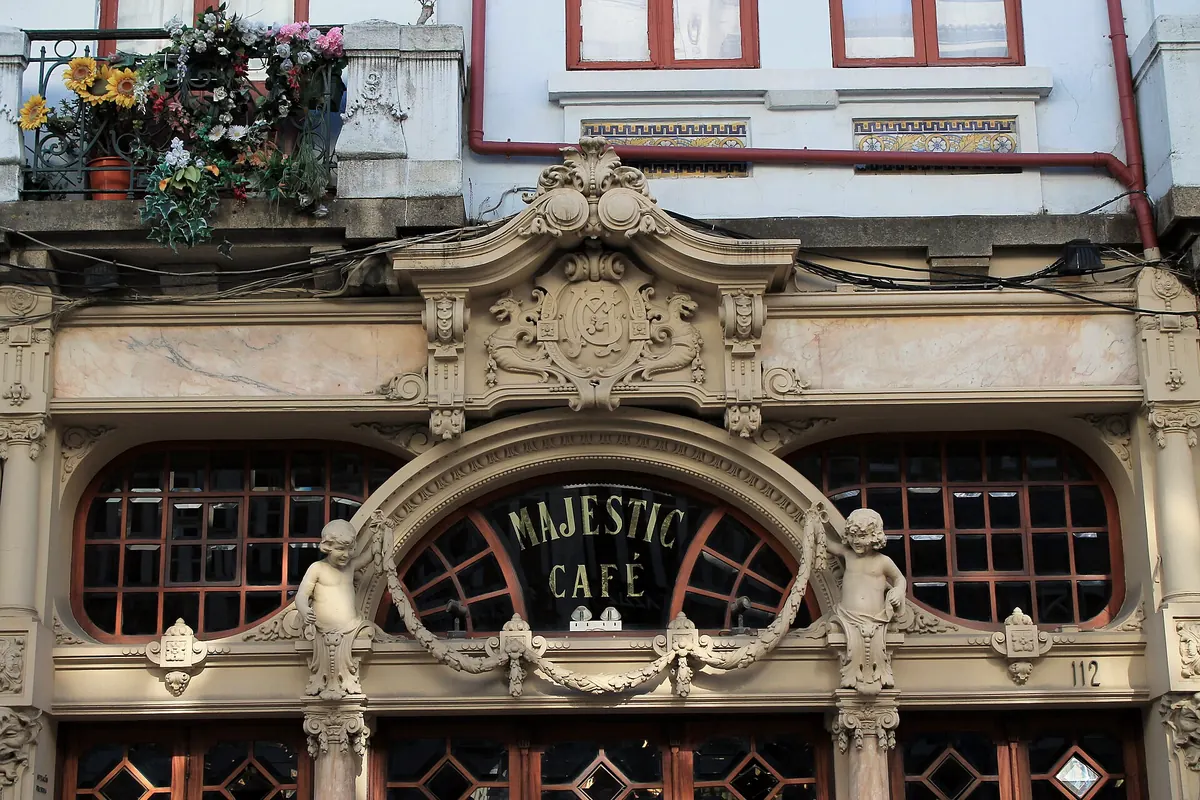
Porto is also a café city. The grand rooms — the Art Nouveau Majestic Café on Rua de Santa Catarina is the best known — are worth one visit for the setting. For daily life, look for a neighbourhood pastelaria with a counter of pastries: pastéis de nata (custard tarts), bolas de Berlim (cream-filled doughnuts), and regional sweets such as pão de ló sponge.
Coffee vocabulary: a cimbalino is Porto slang for an espresso; a galão is a milky coffee in a tall glass; a pingo is an espresso with a drop of milk.
04Seafood at the coast: Foz and Matosinhos
For grilled fish, go to the sea. Just north of Foz, the fishing town of Matosinhos has a whole street of restaurants grilling over charcoal on the pavement, and Foz itself has several excellent seafood rooms. Weekend lunch is the local ritual; book ahead or arrive early.
05Port wine, explained simply
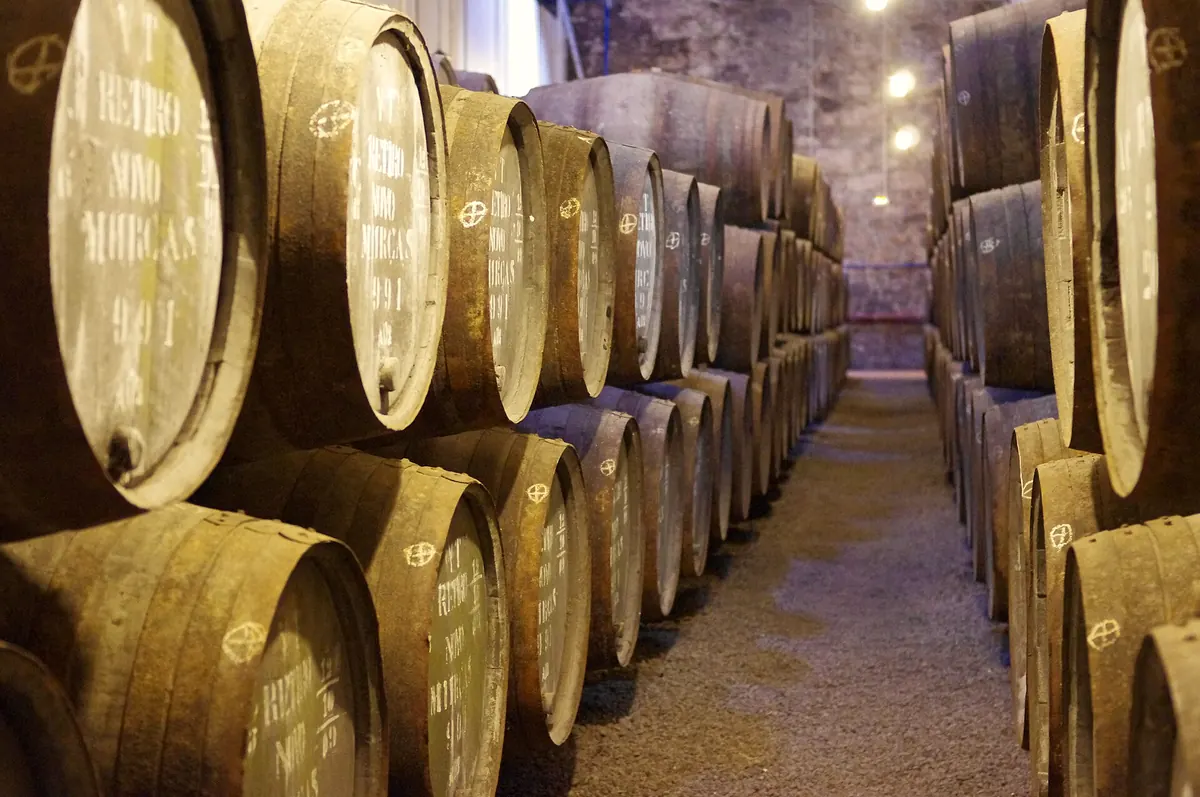
Port is a fortified wine from the Douro Valley: grape spirit is added during fermentation, stopping it while the wine is still sweet and raising the alcohol to around 19–22%. The grapes grow in the steep terraces upriver; for centuries, the young wine came down to Vila Nova de Gaia to age in lodges by the water.
| Style | What it is | How to drink it |
|---|---|---|
| White | Made from white grapes; dry to sweet | Chilled, or with tonic as an aperitif |
| Ruby | Young, fruity, aged mostly in large vats | Slightly cool, with cheese or chocolate |
| Tawny | Aged in smaller casks; nutty and amber. “10/20/30/40 years old” indicate average age | Lightly chilled, after dinner |
| LBV | Late Bottled Vintage — a single year, bottled after four to six years | With dessert or cheese |
| Vintage | From exceptional, declared years; ages for decades in bottle | Decanted, at the end of a special dinner |
The best way to learn is a lodge visit in Gaia with a tasting of three or four styles side by side. See our port cellar tours guide. Beyond Port, ask for Douro reds and whites, and the light, fresh vinho verde from the Minho, north of Porto.
06Coffee words, the couvert and tipping
Ordering coffee like a local
- Cimbalino — the Porto word for an espresso (elsewhere in Portugal, a bica or simply um café).
- Pingo — an espresso with a drop of milk.
- Meia de leite — roughly half coffee, half hot milk, in a cup.
- Galão — a milky coffee served in a tall glass, usually with breakfast.
The couvert
Bread, butter, olives or small starters often arrive at the table before you order. They are not free: you pay for what you eat. If you do not want them, simply say so and they will be taken away, with no offence taken.
Tipping
Service is not usually added to the bill, and tipping is not obligatory. Rounding up in cafés and leaving a little extra for good service in restaurants is common and appreciated.
07Vegetarian, vegan and dietary needs
Traditional northern Portuguese cooking leans heavily on meat, fish and pork fat, and the classic francesinha is the opposite of vegetarian. That said, the city has changed fast: vegetarian and vegan restaurants, plant-based versions of the francesinha and well-labelled menus are now easy to find, particularly in the Baixa and Cedofeita.
In traditional places, soups are a good starting point but are often made with meat stock, so ask. Useful phrases: sou vegetariano/vegetariana (I am vegetarian), sem carne (without meat), sem peixe (without fish) and sem glúten (gluten-free). For serious allergies, carry a written card in Portuguese.
08Sweets beyond the nata
Portugal’s convent tradition left a sweet tooth built on egg yolks and sugar. Beyond the pastel de nata, look for bolas de Berlim (custard-filled doughnuts, sold on the beaches in summer), pão de ló (a light sponge cake) and, around Christmas, rabanadas, a Portuguese cousin of French toast. Ask at a pastelaria counter what is made in-house that day.
09Avoiding tourist traps
- Walk two streets back from the Ribeira quay or the Gaia waterfront for dinner.
- Be wary of laminated picture menus in five languages and staff calling you in from the pavement.
- For fish, ask the price per kilo and the weight before it goes on the grill.
- Check opening days: many family restaurants close on Sundays and some on Mondays.
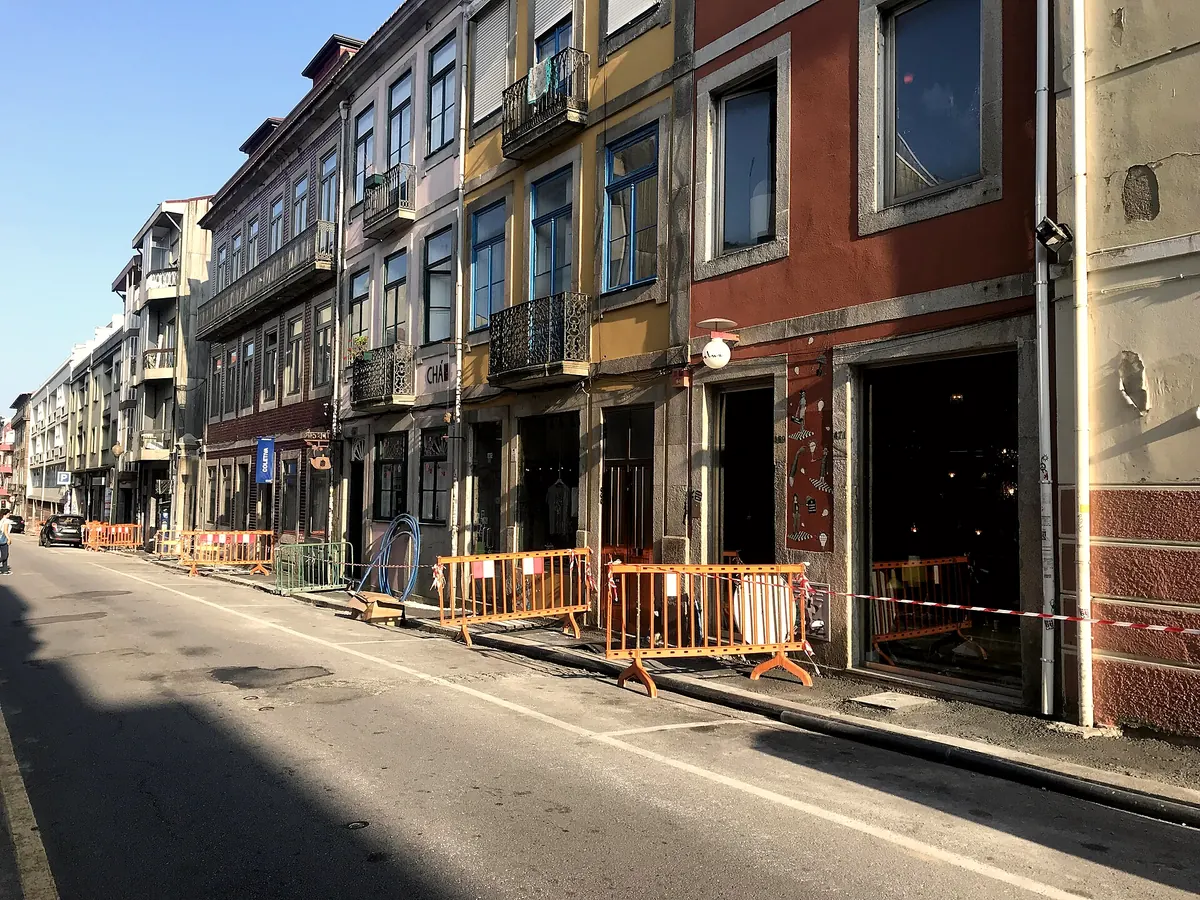
- If a place is full of locals at 21:00 on a weekday, that is your recommendation.
Traditional Porto cooking is meat- and fish-heavy, but vegetarian options are now common in the centre. Say sou vegetariano/a, and check whether soups are made with meat stock.
QuestionsFrequently asked
What food is Porto famous for?
The francesinha, tripas à moda do Porto, bacalhau à Gomes de Sá, the bifana and pork sandwiches, grilled fish and seafood rice — and Port wine.
Do I need to tip in Porto restaurants?
Tipping is not required. Rounding up or leaving around 5–10% for good table service is appreciated.
What is couvert in Portugal?
The bread, butter, olives or other starters placed on the table before you order. They are charged if eaten; you can decline them.
Where can I try Port wine in Porto?
The lodges along the Vila Nova de Gaia waterfront offer tours and tastings; many bars in Porto also serve Port by the glass.
First-hand slot: photography on this page is licensed from Wikimedia Commons (credited under each image) and is not our own trip photography. Add dated, on-the-ground notes and original photos here once an author has visited.