Three days is the sweet spot for Porto. It is long enough to see the old town properly, cross the river for the Port lodges, spend an afternoon by the ocean, and give a whole day to the Douro Valley — the landscape that makes the wine. It is short enough that every day needs a shape.
This plan assumes you arrive by the morning of day one and leave on the evening of day three or the next morning. It front-loads the walking, keeps wine tastings and the valley on separate days, and leaves the evenings for long dinners.
01The shape of the trip
| Day | Focus | Book ahead |
|---|---|---|
| Day 1 | Arrive · old town · Ribeira at sunset | Airport transfer if landing late; dinner |
| Day 2 | Clérigos & Lello · Gaia lodges · Foz evening | Timed tickets; Port tasting; seafood dinner |
| Day 3 | Douro Valley — train, tour or drive | Guided tour or train seats; quinta lunch |
A central base in the Baixa or Cedofeita makes all three days easy. If the Port lodges are the highlight, consider a riverfront hotel in Gaia. See where to stay.
02Day one: arrive and meet the old town
Day 1- Morning
Arrive at OPO
Metro line E to Trindade in about 27 minutes, or a prebooked transfer to your door if you have heavy bags or an old-town hotel.
- Afternoon
Cathedral and the stepped lanes
Drop your bags, then walk to the Sé terrace for orientation and down through the lanes of Ribeira.
- Sunset
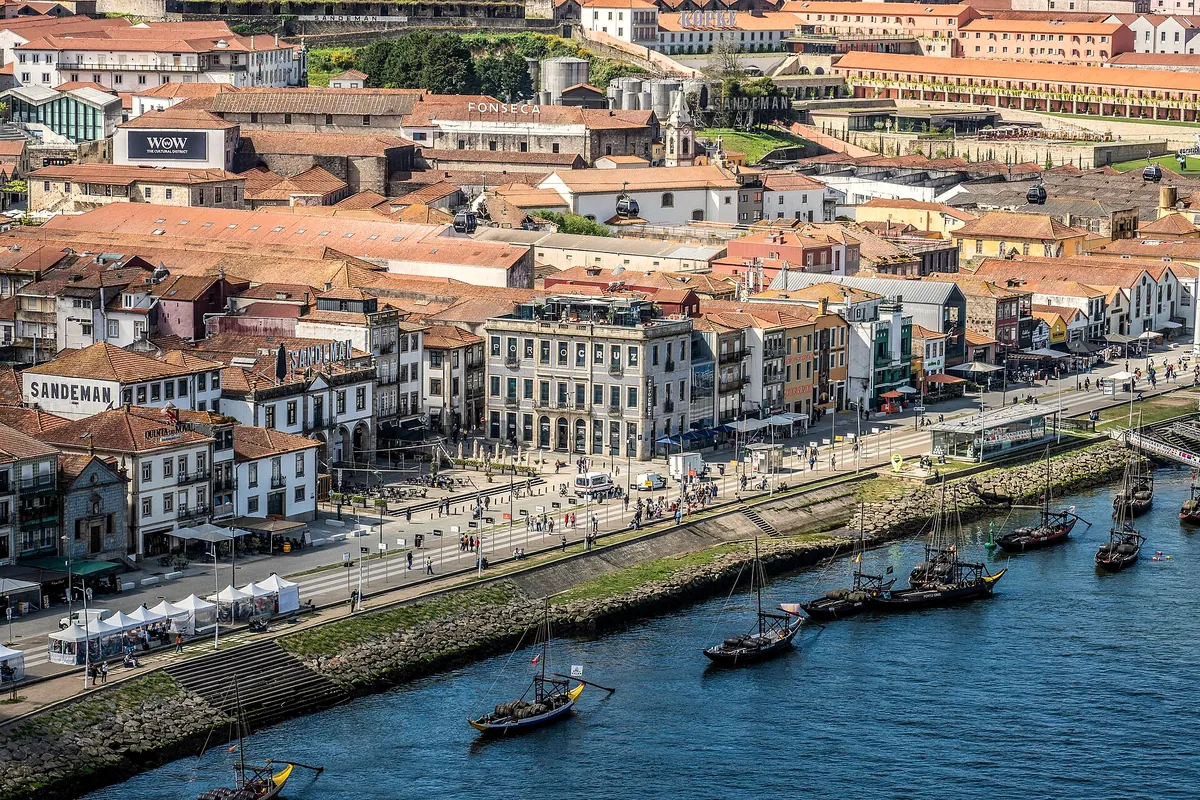
The quay
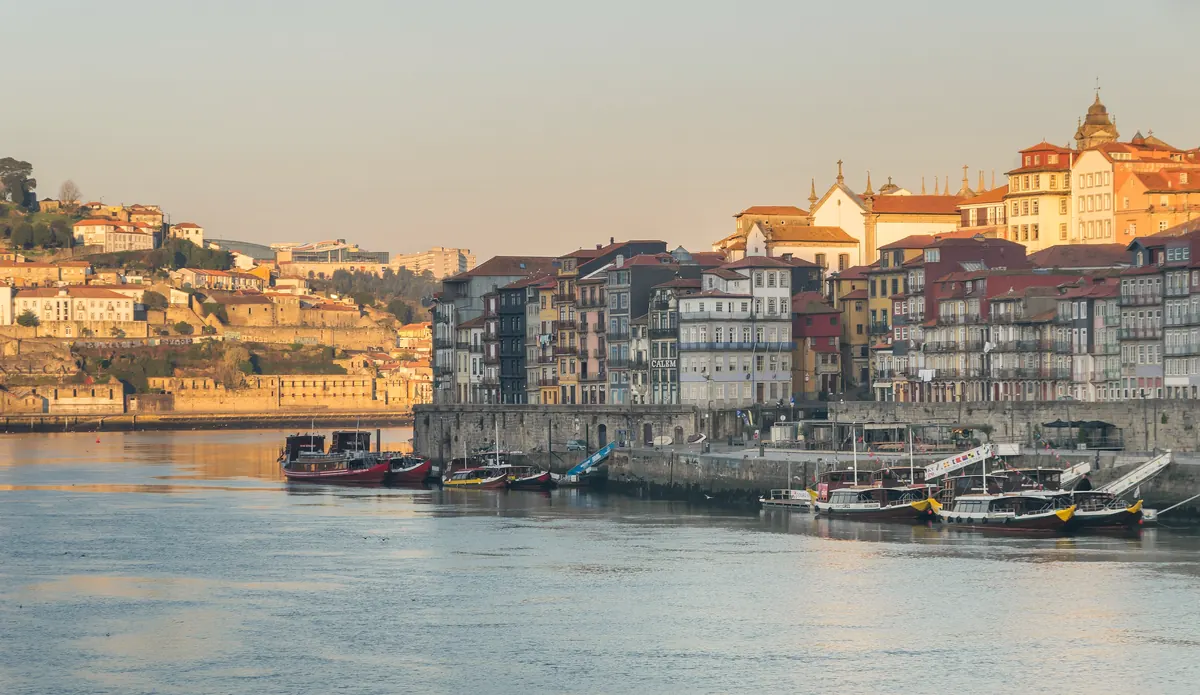
A drink on the Cais da Ribeira as the light turns gold on the Gaia lodges.
- Evening
An easy first dinner
Somewhere close to the hotel. Do not book a big tasting menu on arrival day.
03Day two: landmarks, lodges and the ocean
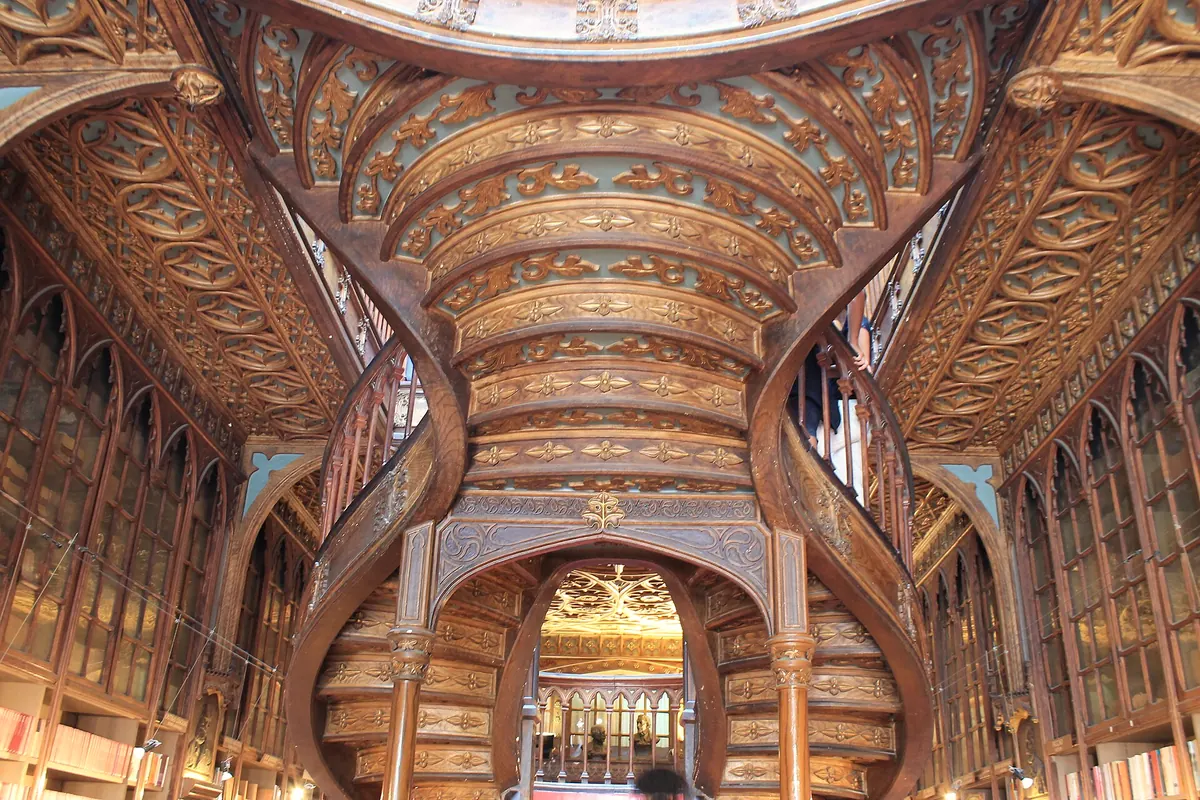
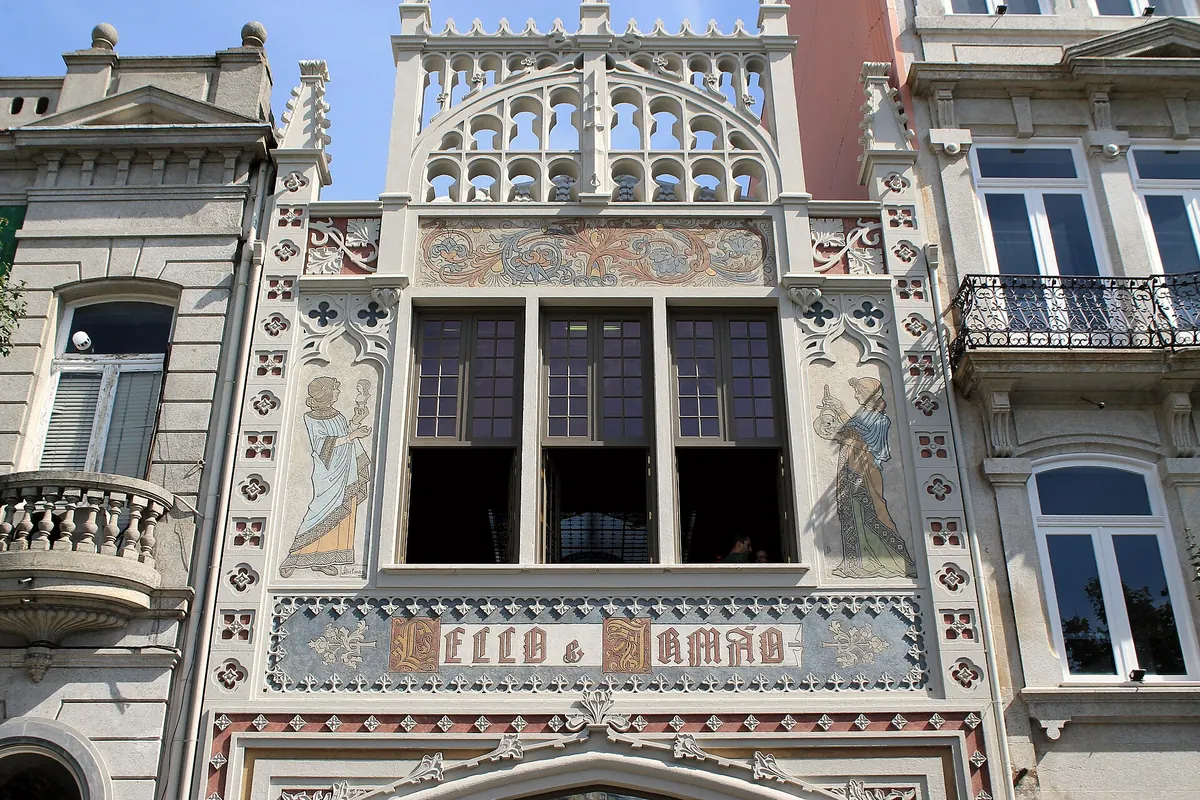
Day 2Morning — the climbs. Book early timed entries for the Torre dos Clérigos (225 steps, the best view of the city) and Livraria Lello, a few minutes apart. Then walk through Cedofeita and the gallery street of Miguel Bombarda, or to the restored Mercado do Bolhão for a late-morning snack.
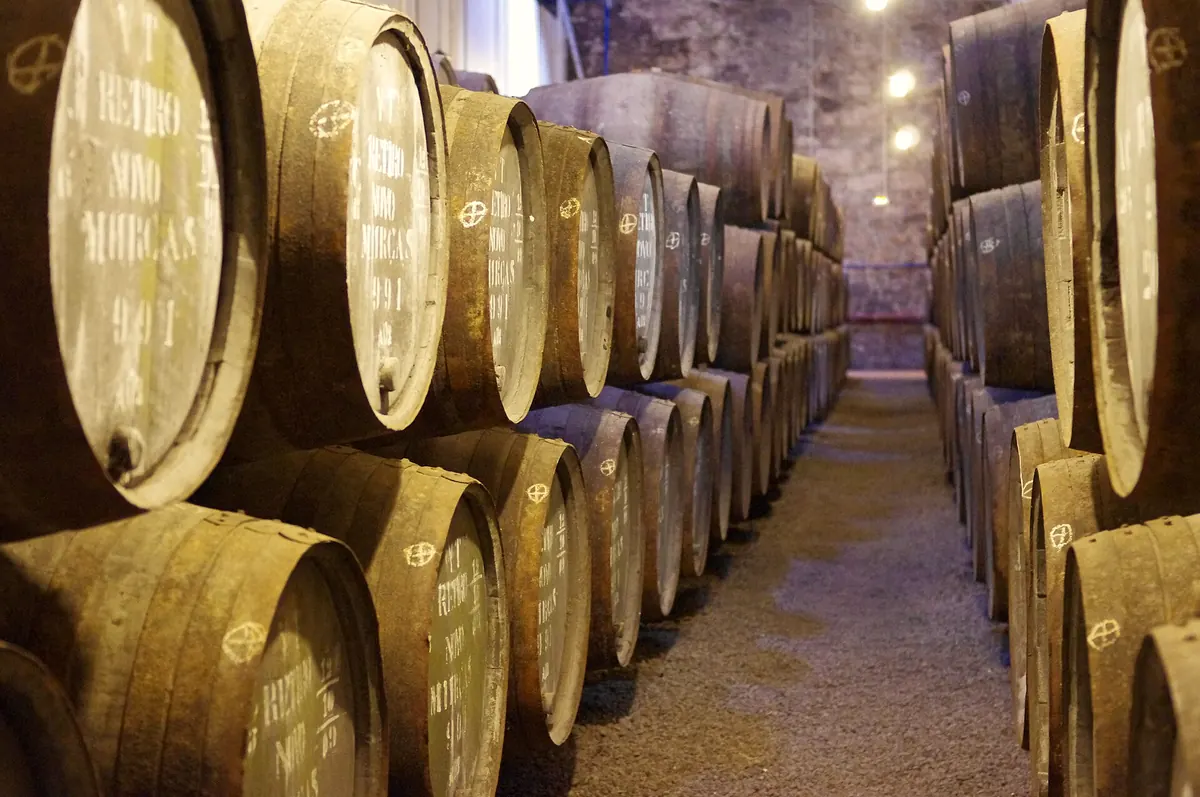
Afternoon — Gaia. Head down to the river and across the lower deck of the Dom Luís I bridge for a booked Port lodge tour and tasting. One house, done properly; consider a premium tasting if you already enjoy Port.
Evening — the Atlantic. Taxi to Foz do Douro for a walk along the promenade to the lighthouse at sunset, then seafood in Foz or Matosinhos.
04Day three: the Douro Valley
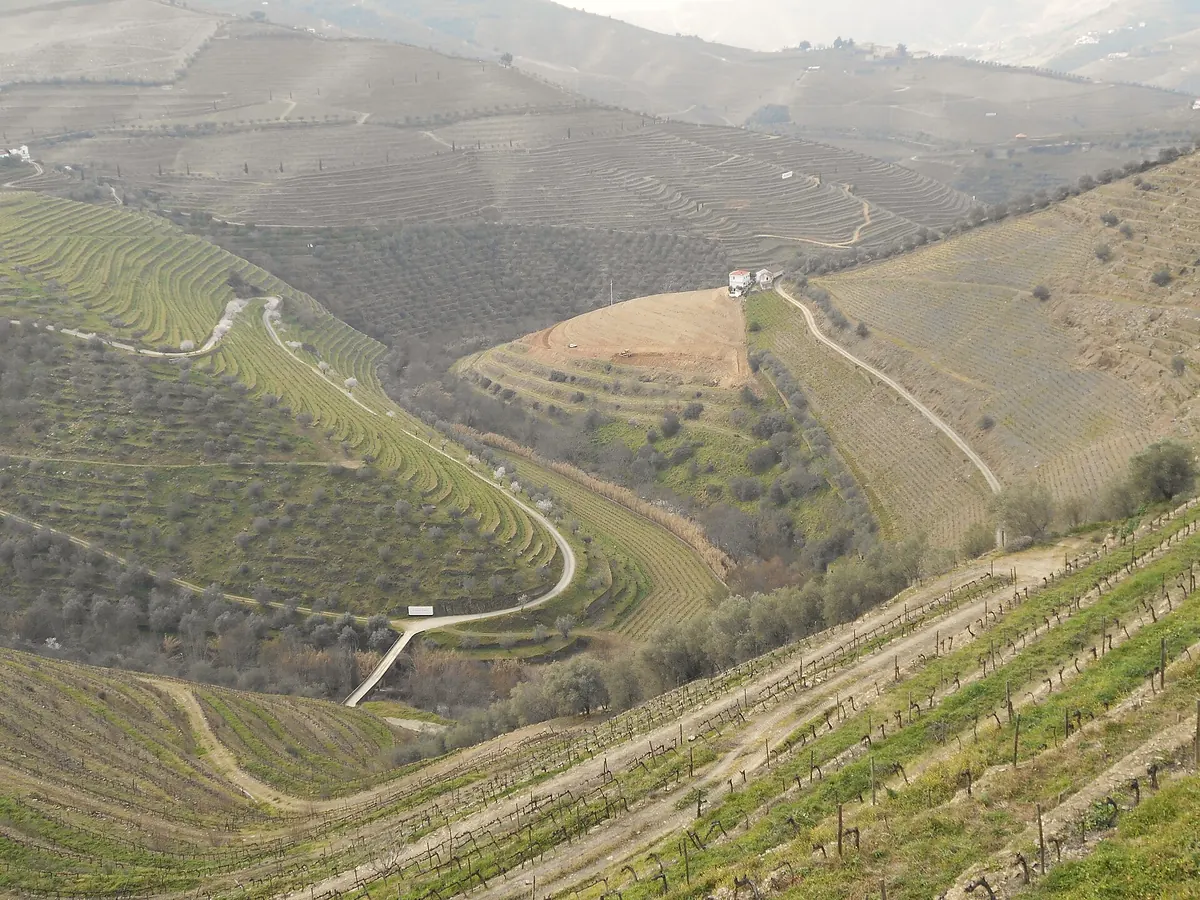
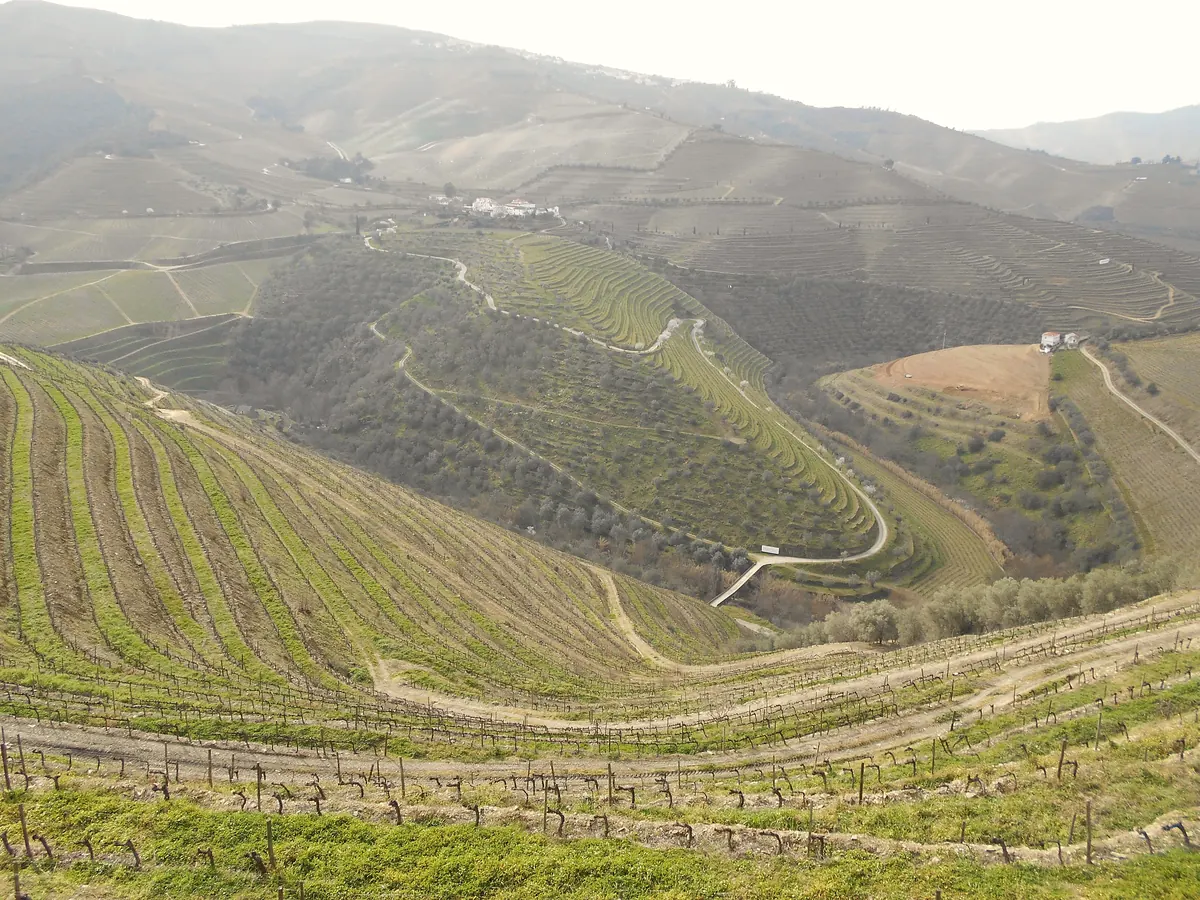
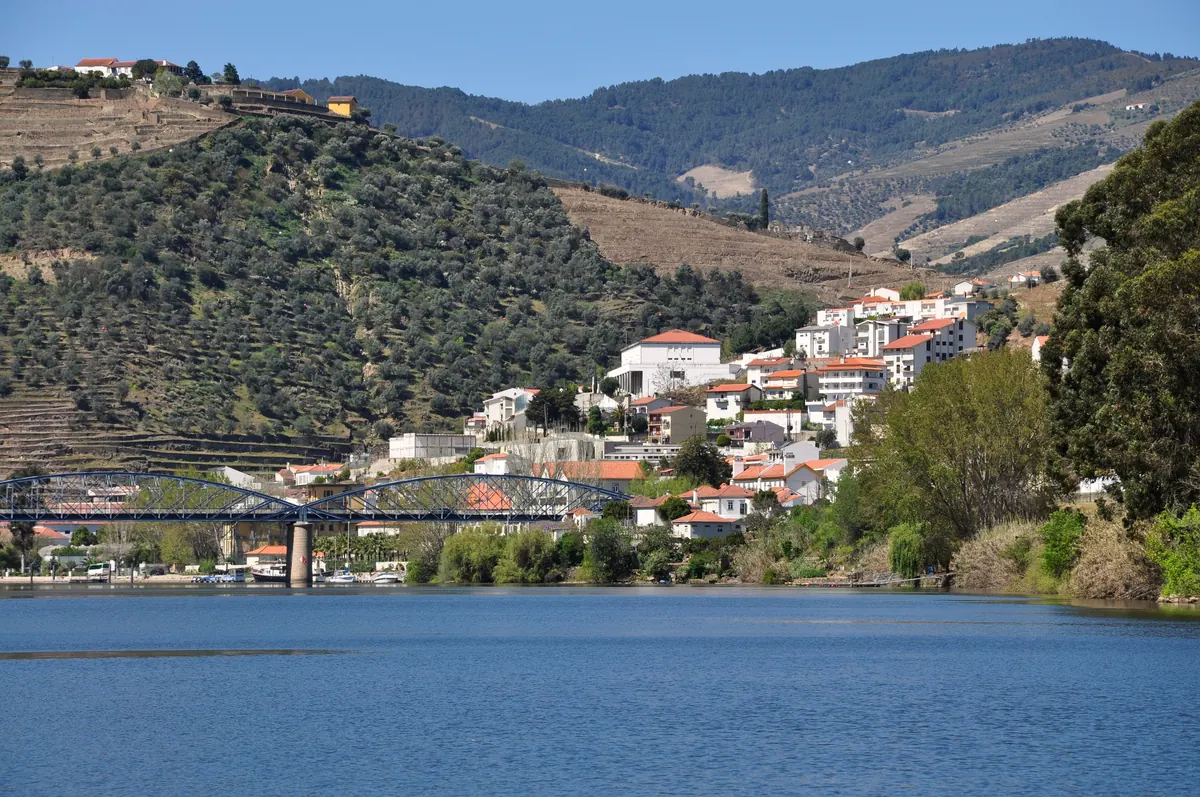
Day 3Leave the city early for the Alto Douro, where steep terraces of vines fold down to the river. You have three good options:
- Train: regional services from São Bento follow the river for the second half of the journey and reach Pinhão in about 2 hours 20 minutes on direct trains. Simple and scenic; plan quinta visits around the timetable.
- Guided tour: the easiest way to combine two quintas, lunch and a river trip, with nobody needing to drive after tastings.
- Self-drive: the most flexible, with spectacular viewpoints — but winding roads and wine tastings do not mix, so plan a designated driver.
Return in the early evening for a light dinner. The full logistics are in our Douro Valley day trip guide.
05What to book, and when
| When | Book this | Why |
|---|---|---|
| As soon as dates are fixed | Hotel; Douro tour, quinta lunch or train plan | Quintas and small-group tours fill early in harvest season |
| Two to three weeks ahead | Port lodge tasting slot; weekend dinners | Premium tastings and popular dining rooms book out |
| A few days ahead | Livraria Lello and Clérigos timed tickets; Serralves | Timed entry avoids the longest queues |
| On the day | River cruise, tram 1, cafés and pastries | Plenty of departures and walk-in options |
Keep one evening entirely unplanned. Porto is at its best when you can say yes to a long dinner or a second glass on a terrace without checking the time.
06Getting around between the stops
The historic centre, Ribeira and the Gaia lodges are a compact, hilly walk. For everything else, combine the metro with taxis. Line D crosses the upper deck of the Dom Luís I bridge between São Bento and Jardim do Morro; line E links the airport with Trindade in about 27 minutes. Serralves, Foz and the Douro day are taxi, tram or tour territory.
- Walking: São Bento to the Ribeira quay is downhill and short; the reverse is a climb. Plan routes downhill where you can.
- Metro: rechargeable Andante cards cost €0.60; contactless bank cards work at marked validators.
- Taxis and ride-hailing: the easy way up from the river at the end of the day, and to Serralves or Foz.
07If it rains
Porto’s Atlantic weather can turn quickly, especially from autumn to spring. Rather than abandoning the plan, swap in an indoor equivalent:
- Instead of the Foz promenade: the Serralves Museum of Contemporary Art, or a guided tour of Casa da Música.
- Instead of the quay: a guided visit to the Palácio da Bolsa, the nineteenth-century stock exchange, or the Museu Nacional Soares dos Reis.
- Instead of a viewpoint: a long lunch at the restored Mercado do Bolhão, or a second, premium Port tasting.
Keep the Douro day for the best forecast of the three, and check IPMA for the valley, not just the city.
08Where to stay for this itinerary
Because this plan mixes the old town, the ocean and a day upriver, the best base is central and close to transport. Cedofeita or the Baixa put you within walking distance of São Bento (for the Douro train), Clérigos and Bolhão, and on flatter streets. Ribeira gives you the river at the door but means stairs every evening. A riverfront hotel in Gaia makes sense if Port is the theme of your trip.
If you want one special night, consider moving to a quinta hotel in the Douro on the last evening instead of returning to the city; the train back to Porto the next morning is part of the pleasure. Our where to stay guide compares every area.
09How to eat across three days
Plan one memorable dinner, not three. A tasting menu works best on the second night, when you are settled and not tired from travelling or from the Douro. On the first night eat simply close to your hotel; on the Douro night, after a long quinta lunch, a light supper or a few petiscos is plenty.
Lunches are where Porto offers the best value: a prato do dia in a neighbourhood tasca on day one, grilled fish by the sea in Foz or Matosinhos on day two, and the quinta lunch on day three. Our food guide covers what to order.
10Pacing the three days
The order matters. Day one is short and close to the hotel because arrival days always run late. Day two is the big city day, with the lodge tasting deliberately placed in the afternoon so you are not sightseeing after Port. Day three is the Douro, which starts early and ends late; if your flight home is the next morning, you can still do it, but leave the last evening light.
If you only remember one rule, make it this: never schedule more than two booked, timed activities in a single day. Porto is steep, and the time between bookings is where you will discover the cafés, viewpoints and lanes you came for.
11Adjusting the plan
- Travelling in winter? Days are short and quintas may have reduced hours; swap Foz for Serralves or the Palácio da Bolsa and keep the Douro day for the best weather forecast.
- Not a wine drinker? Replace the lodge tasting with a river cruise and Casa da Música, and do the Douro by train for the scenery alone.
- Want a slower trip? Stay a night in the valley instead of returning — sunrise over the terraces is worth it.
- Travelling in June? The São João festival on the night of 23–24 June takes over the city — book everything far ahead, or plan around it on purpose.
QuestionsFrequently asked
Is three days in Porto too long?
No — three days is ideal. It allows two relaxed days in the city and a full day in the Douro Valley.
Do I need a car for this itinerary?
No. Use the metro and taxis in the city and a train or guided tour for the Douro. A car only helps if you want to explore the valley independently.
Can I do the Douro Valley and port cellars on the same day?
It is possible but tiring and wine-heavy. Keeping the Gaia lodges and the Douro on separate days makes the trip far more enjoyable.
First-hand slot: photography on this page is licensed from Wikimedia Commons (credited under each image) and is not our own trip photography. Add dated, on-the-ground notes and original photos here once an author has visited.