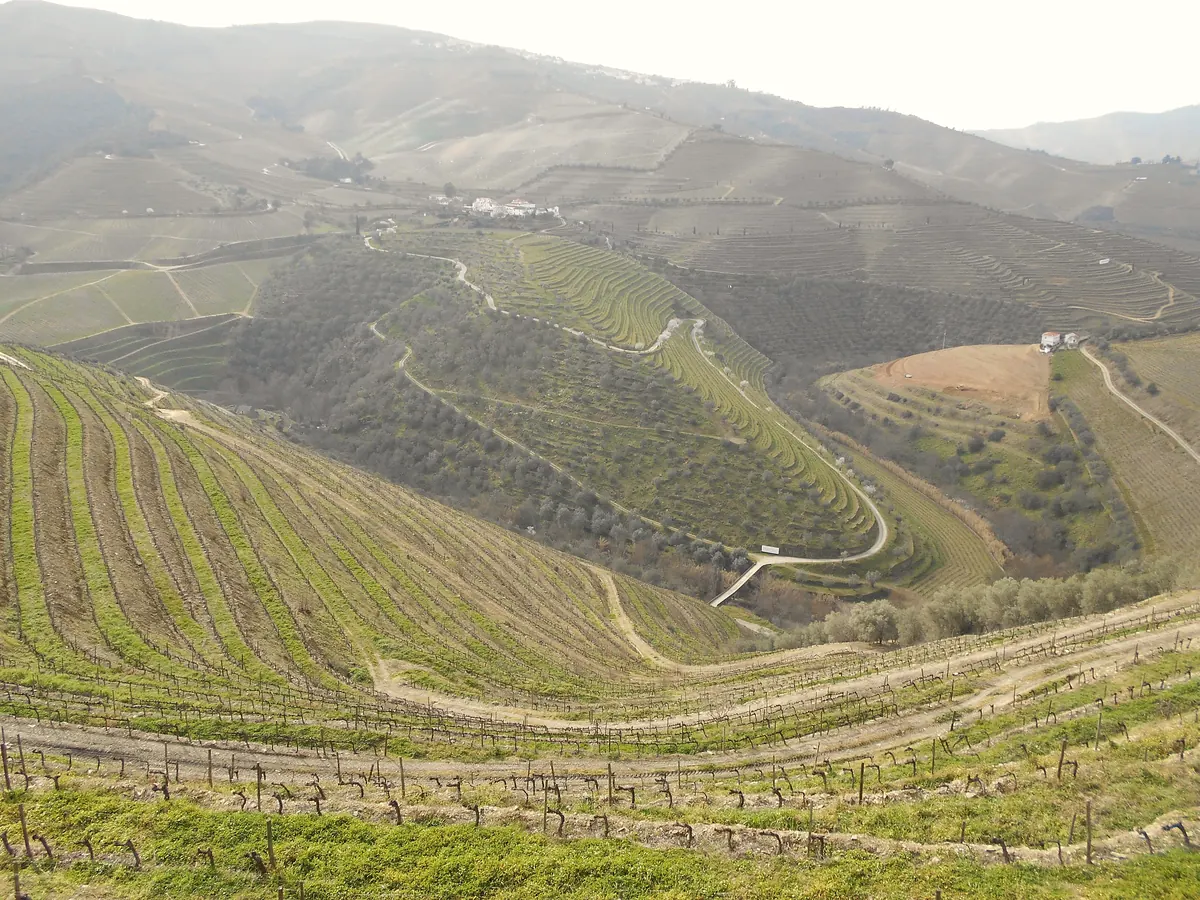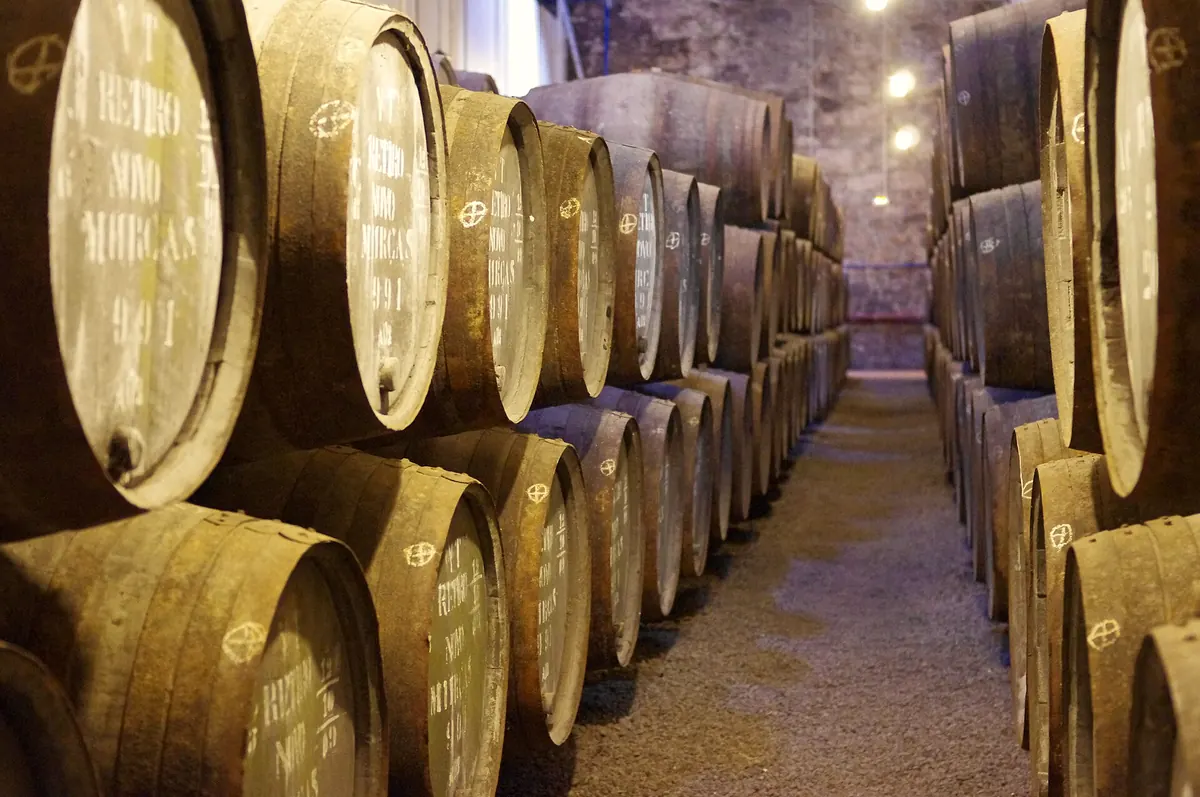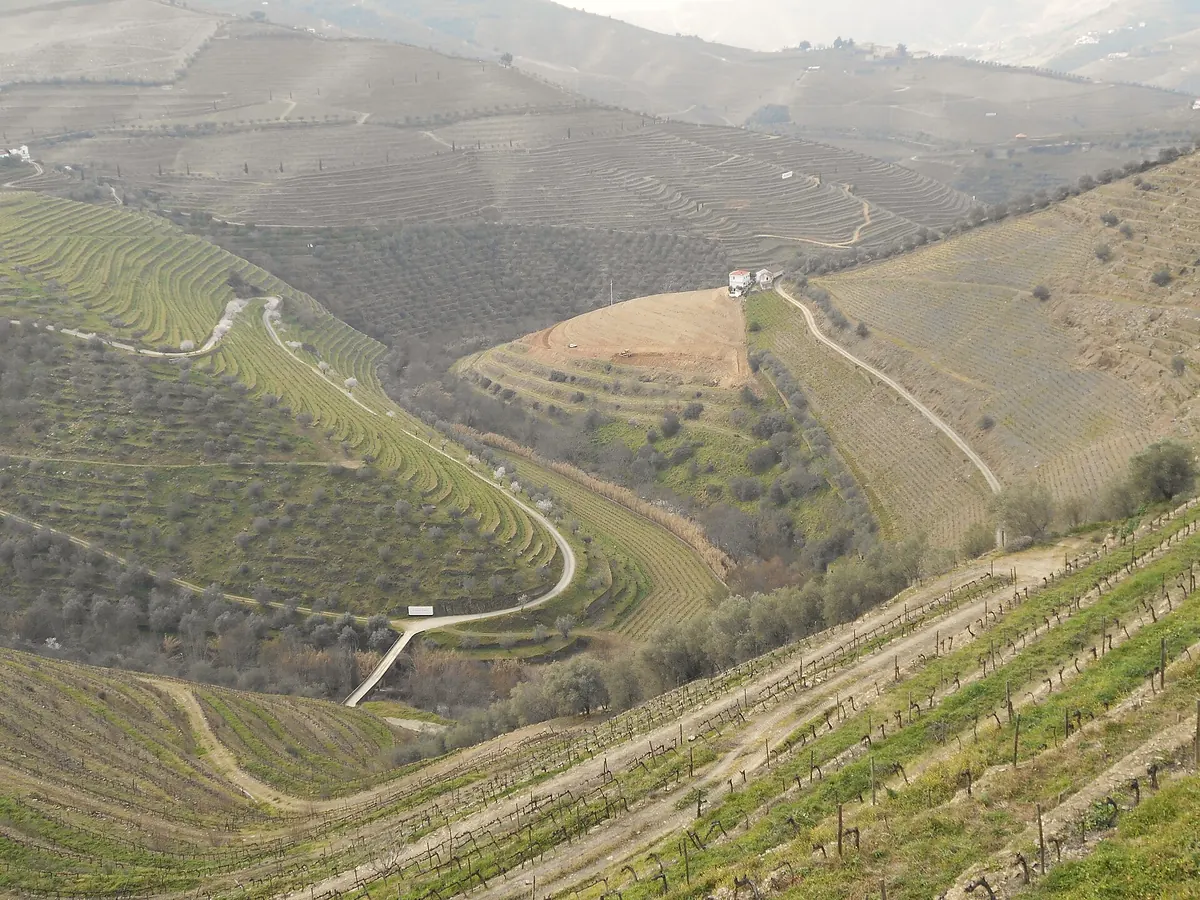
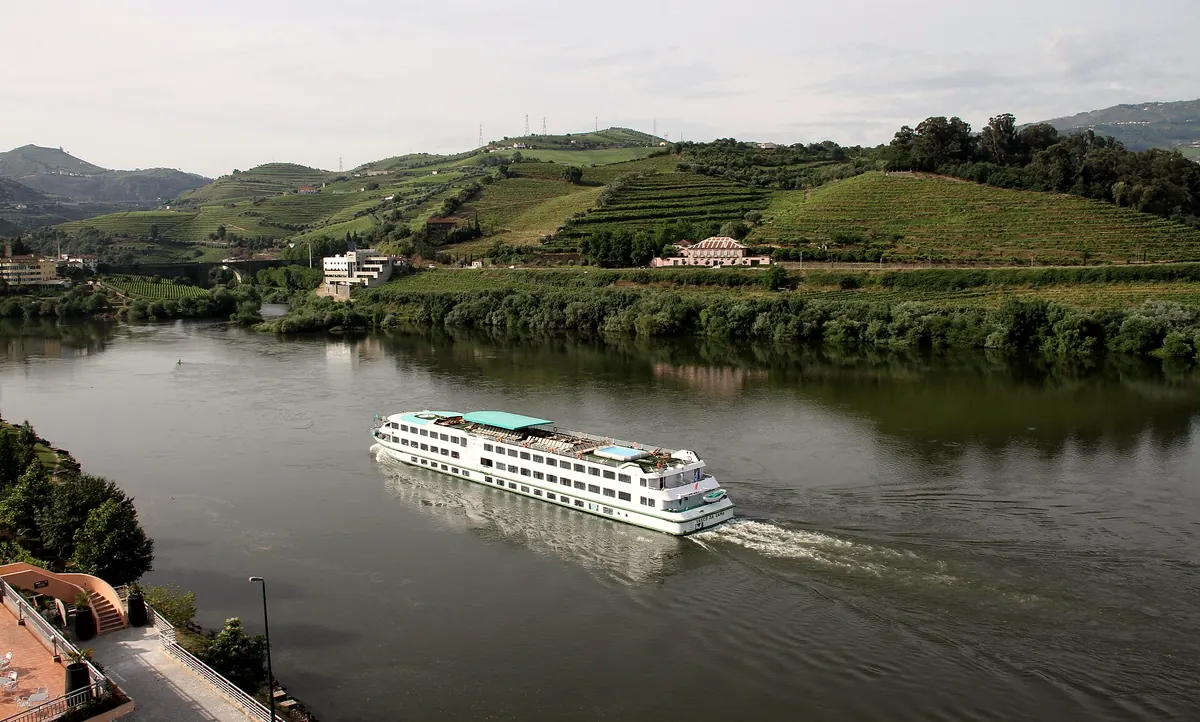
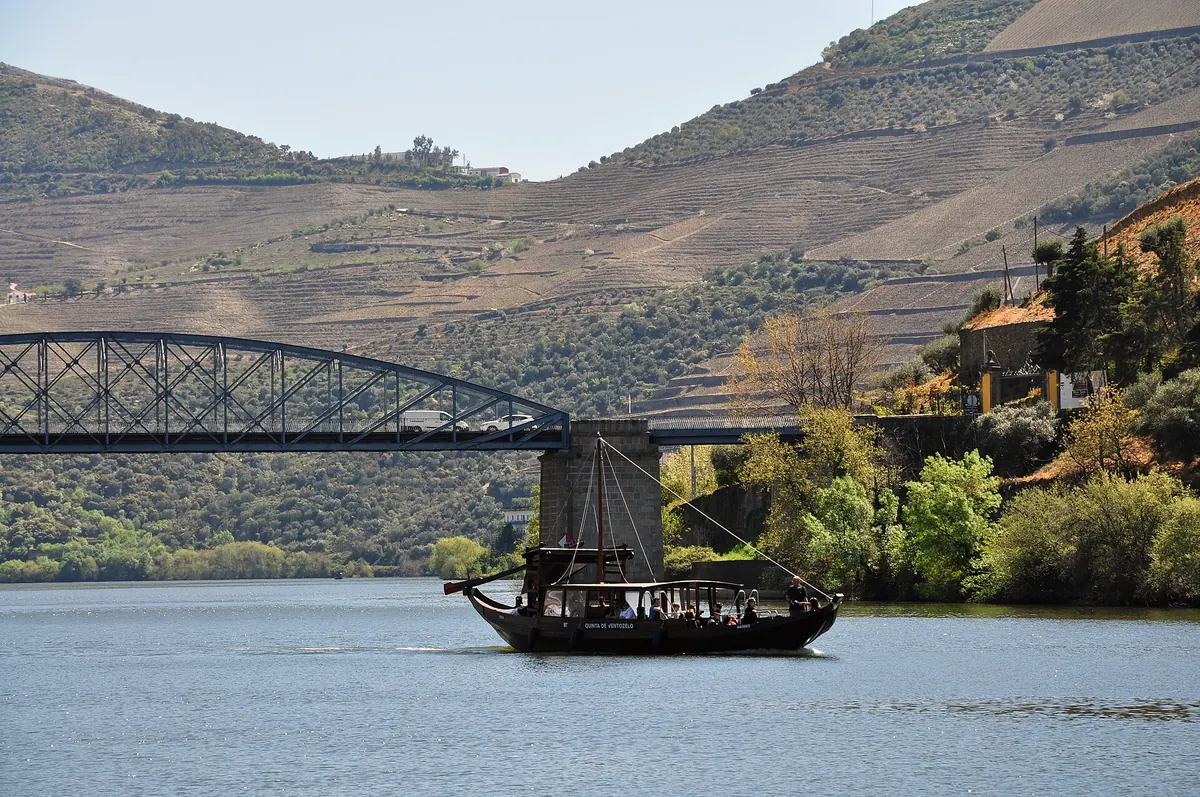
The Douro Valley is where Port — and some of Portugal’s finest red and white wines — begins. Upriver from Porto, the Douro cuts through schist hills that generations of growers have carved into narrow terraces, creating a landscape so distinctive that UNESCO lists it as World Heritage. A day trip shows you a slice of it: a river town, a quinta or two, a long lunch and the views.
It is a big day, and the best ones are planned around one decision: how you will get there.
01Where to go: Régua, Pinhão and beyond
Most day trips focus on the stretch between Peso da Régua and Pinhão, the heart of the Port vineyards (the sub-region called Cima Corgo begins around Régua).
- Peso da Régua is the larger town and gateway, home to the Museu do Douro and river-cruise departures.
- Pinhão is smaller and prettier, surrounded by famous quintas and known for its railway station decorated with tile panels of vineyard life.
- Further upriver, towards Tua and Pocinho, the landscape becomes wilder and emptier — better for an overnight stay than a day trip.
02Train, tour or drive?
| Train | Guided tour | Self-drive | |
|---|---|---|---|
| Best for | Independent travellers who love scenery | Wine lovers; no-stress logistics | Photographers; flexible explorers |
| Time to Pinhão | About 2 h 20 min direct from São Bento | Varies; usually door-to-door pickup | Typically 1 h 45 min – 2 h 15 min |
| Wine tastings | Yes — walk or taxi to quintas | Yes — usually 2–3 included | Only with a non-drinking driver |
| Flexibility | Fixed by timetable | Fixed itinerary | Total |
| Watch out for | Limited return trains; busy carriages in summer | Large groups on cheaper tours | Narrow, winding roads |
By train
The Douro line is one of the great railway journeys in Portugal. After Marco de Canaveses the track reaches the river and follows it closely, with views across the water to the terraces. Direct regional trains from São Bento reach Pinhão in about 2 hours 20 minutes. Check CP’s current timetable — services are limited, and the last good return train shapes your day.
By guided tour
Tours collect you in Porto and usually combine two quinta visits with tastings, lunch, a viewpoint stop and often a short river trip. Read the inclusions closely: group size, whether lunch is a sit-down meal, how many tastings, and how long you actually spend in the valley versus on the road.
By car
Driving gives you the famous viewpoints — São Leonardo de Galafura and São Salvador do Mundo among them — and the freedom to linger. The roads along the valley are spectacular, narrow and slow. Portugal’s drink-driving limits are strict; tastings and driving should not be mixed.
03Visiting quintas
A quinta is a wine estate. Many in the Douro welcome visitors for tours and tastings, and some offer lunch with a view of the terraces. Booking is essential at most — this is farmland, not a high street. A relaxed day includes two visits at most, with lunch in between.
Visits typically cover the vineyards, the winery and the lagares (the granite treading tanks still used by some producers for the best grapes), followed by tastings of Port and Douro table wines.
04When to go
- Spring (March–May): green terraces, almond blossom early in the season and comfortable temperatures.
- Summer (June–August): long days and lively quintas, but the valley is much hotter than Porto — often uncomfortably so in the afternoon.
- Harvest (September–early October): the most atmospheric time, with grape picking and treading; also the busiest for visits.
- Autumn (late October–November): the vines turn red and gold — arguably the most beautiful season.
- Winter: quiet and moody; some quintas reduce hours, and days are short.
The valley’s weather often differs sharply from Porto’s. Use IPMA, the Portuguese weather institute, for the forecast in Régua or Pinhão before choosing your day.
05Making the most of the train
- Sit on the right heading upriver (towards Régua and Pinhão): east of Marco de Canaveses, the line runs along the north bank, and the river is on that side.
- Buy tickets at the station or through CP’s official channels, and confirm both the outbound and the return times on the day — the timetable decides how long you have in the valley.
- Start early. An early departure gives you a long lunch and an unhurried afternoon before the return.
- Arrange onward transport before you leave Porto: quintas around Pinhão are often a short taxi ride, not a walk, from the station.
06Beyond Port: Douro wines worth tasting
The same terraces that grow Port grapes also produce unfortified DOC Douro red and white wines, which have become some of Portugal’s most celebrated in recent decades. Quinta tastings increasingly include them alongside Port, and they are what most people drink at lunch in the valley.
Names you will see on labels include Touriga Nacional, Touriga Franca and Tinta Roriz (Spain’s Tempranillo) for reds, and blends of local white varieties for fresh, mineral whites. Many of the oldest vineyards are planted as field blends, with dozens of varieties growing side by side.
If one of you is driving, ask quintas about non-alcoholic tastings, olive oil or grape juice. Many estates produce more than wine.
07Why you might stay the night
A day trip is a taste; a night in the valley is a different experience. Once the day tours leave, the river goes quiet, the light softens over the terraces, and you can take a second, unhurried morning on the water or among the vines. A single night also removes the pressure of the last return train and lets you visit quintas further upriver, towards Tua, which are hard to reach on a day trip.
Quinta hotels and small guesthouses around Pinhão and Régua range from simple to very grand. Book early for harvest season, and check how far your room is from the station if you are arriving by train. Many quinta hotels offer pickups from Pinhão or Régua station, and some can arrange a river trip or a vineyard walk for the following morning, which turns a rushed day into an unhurried short break.
08What to bring
- Sun protection and water from late spring to early autumn — the valley is much hotter than the coast.
- Comfortable, grippy shoes: terraces are steep, schist paths are loose, and wineries have stone floors.
- A light layer for air-conditioned trains and cool cellars.
- Your booking confirmations and the return timetable, saved offline: mobile signal can be patchy in parts of the valley.
09Viewpoints worth the detour
If you are driving or on a private tour, the Douro’s miradouros are where the scale of the terraces finally makes sense.
- São Leonardo de Galafura, in the hills above Régua, looks out over a vast amphitheatre of vineyards and was celebrated by the writer Miguel Torga.
- Casal de Loivos, high above Pinhão, gives the classic view of the river bend and the quintas around the town.
- São Salvador do Mundo, near São João da Pesqueira, is a rocky hilltop with chapels and a long view of the river.
The roads to all three are narrow and winding; allow more time than the map suggests, and leave the tasting to the passengers.
10Common day-trip mistakes
- Booking the last train back. Aim for the one before it; delays and long lunches happen.
- Trying to see the whole valley. The Douro runs for many kilometres through Portugal; a day covers one stretch well. Pick Régua and Pinhão and leave the rest for another trip.
- Underestimating the heat. In July and August, the valley can be far hotter than Porto. Plan quinta visits for the morning and keep the afternoon for the river.
- Skipping lunch reservations. Good quinta and village restaurants are small, and walk-in tables are not guaranteed, especially at harvest.
11A sample day by train
- Early morning
Train from São Bento
Take an early direct regional train upriver; the best views begin after Marco de Canaveses.
- Late morning
Arrive in Pinhão
See the tiled station, then walk or taxi to a booked quinta.
- Lunch
Quinta or riverside restaurant
Book ahead; a long lunch is the heart of the day.
- Afternoon
A short river trip
An hour on the water around Pinhão, or a second quinta visit.
- Evening
Return to Porto
Catch a planned return train and have a light dinner back in the city.
QuestionsFrequently asked
How long is the train from Porto to the Douro Valley?
Direct regional trains from São Bento reach Régua in about two hours and Pinhão in about 2 hours 20 minutes, depending on the service. Check CP’s current timetable.
Is a Douro Valley day trip worth it?
Yes, if you enjoy landscapes and wine. The terraces are unlike anywhere else, and a well-planned day with one or two quinta visits is a highlight of many Porto trips.
Should I take a tour or go independently?
Take a tour if you want tastings without logistics; go by train for scenery and independence; drive only with a non-drinking driver.
First-hand slot: photography on this page is licensed from Wikimedia Commons (credited under each image) and is not our own trip photography. Add dated, on-the-ground notes and original photos here once an author has visited.