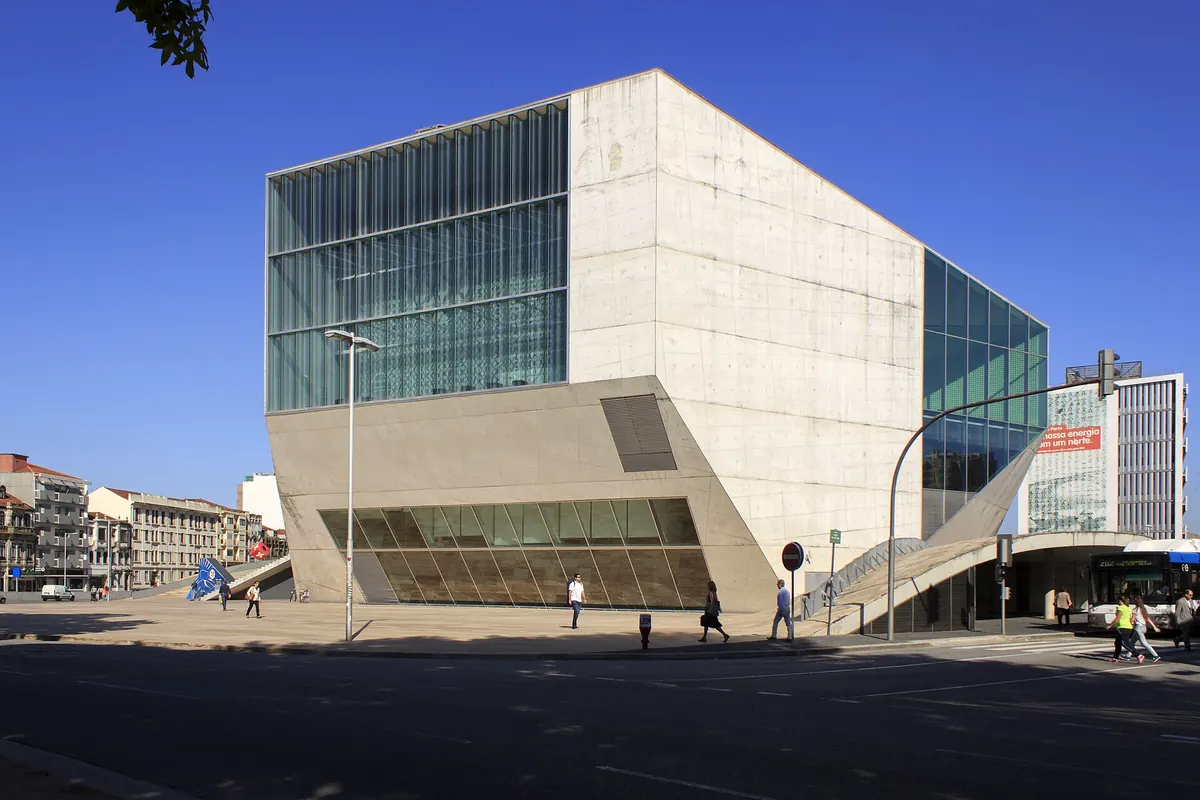
Boavista is where Porto stops being medieval. The Avenida da Boavista runs almost arrow-straight from the centre to the sea, lined with office towers, hotels, apartment blocks and, near its eastern end, the great roundabout officially called Praça de Mouzinho de Albuquerque — known to everyone as the Rotunda da Boavista. Beside it sits the city’s most striking modern building, Rem Koolhaas’s Casa da Música.
It is not the Porto of postcards. It is the Porto of wide pavements, easy parking, big hotel rooms and a direct metro to the airport — which, for some trips, matters more.
01What to see
- Casa da Música. An angular white concert hall opened in 2005, home to the city’s orchestras. Guided tours of the building run most days; an evening concert is the best way to experience the main hall.
- Rotunda da Boavista. A large garden roundabout with the tall monument to the heroes of the Peninsular War at its centre.
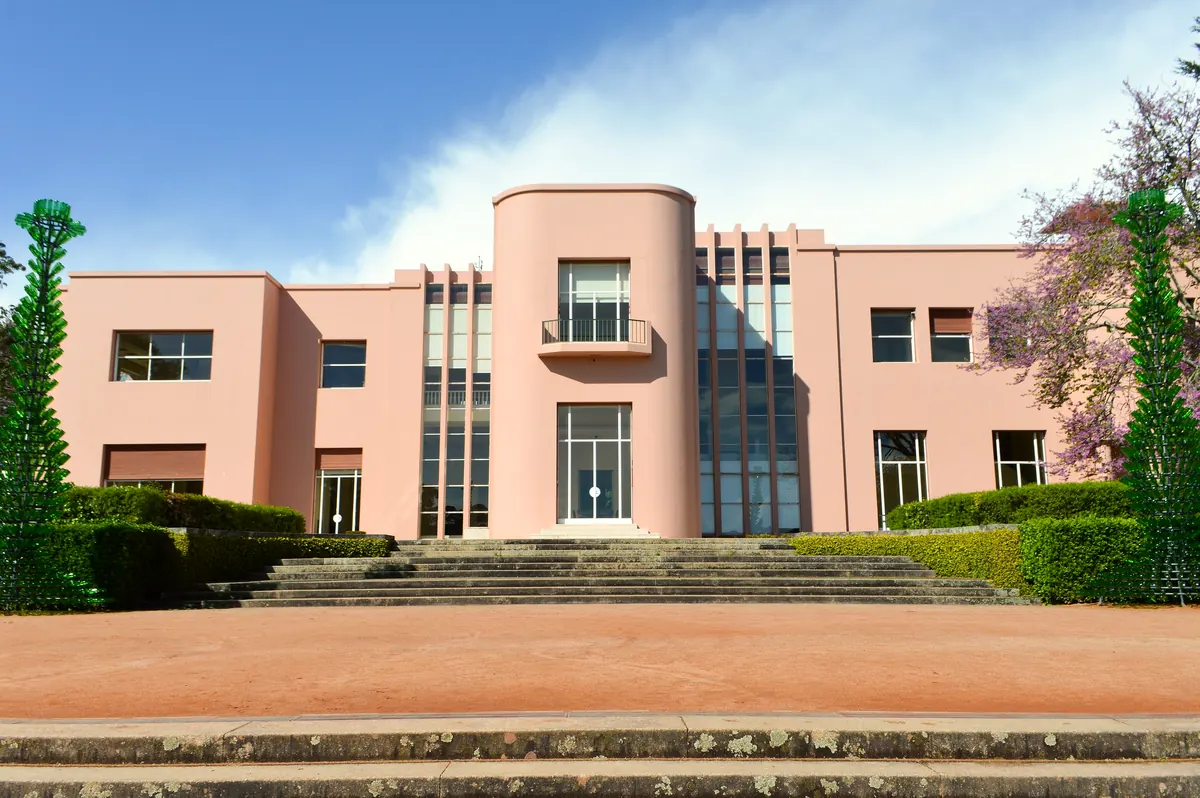
- Serralves. Further west along the avenue: Álvaro Siza’s contemporary art museum, a pink Art Deco villa, and an 18-hectare park that ranks among the most beautiful gardens in Portugal.
- Parque da Cidade. Porto’s largest urban park, running down to the sea at the western end of the avenue.
02Why stay in Boavista
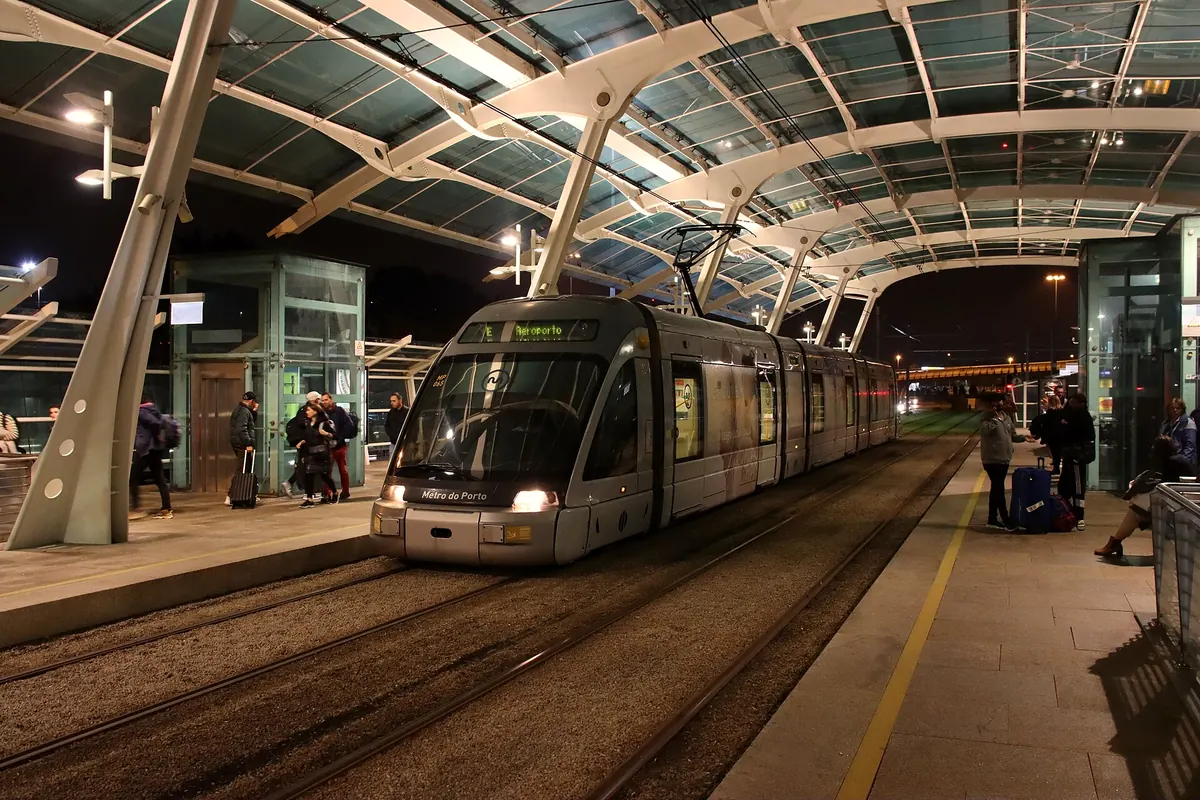
Boavista suits travellers who want space and predictability: larger, more conventional hotels, lifts and parking, quieter nights and an easy connection to the airport on metro line E. It is also convenient for drivers heading to the Douro Valley or the coast, and for concert-goers.
The trade-off is atmosphere. You will metro or taxi into the historic centre (10–15 minutes) for most sightseeing and dinners, and the evenings around the business district can feel quiet.
On a four- or five-night trip, consider two nights in Boavista or Foz and two nights in the centre. You get the calm and the convenience, plus the walk-out-the-door atmosphere.
03Getting around
Casa da Música station is a hub for several metro lines, including line E to the airport (about 22 minutes) and lines towards Trindade and the centre. Buses run the length of the avenue to Foz and the sea. With a car, Boavista is one of the easiest parts of Porto to drive and park in — useful before an early start to the Douro.
QuestionsFrequently asked
Is Boavista a good area to stay in Porto?
It is a good, practical base for longer stays, business trips, drivers and travellers who value larger hotels and quiet nights. It is less atmospheric than the old town.
How do I get from Boavista to the historic centre?
By metro from Casa da Música towards Trindade (a few stops) or by taxi in about 10–15 minutes.
Can you visit Casa da Música without a concert ticket?
Yes. Guided tours of the building run most days; check the official site for times and languages.
First-hand slot: photography on this page is licensed from Wikimedia Commons (credited under each image) and is not our own trip photography. Add dated, on-the-ground notes and original photos here once an author has visited.