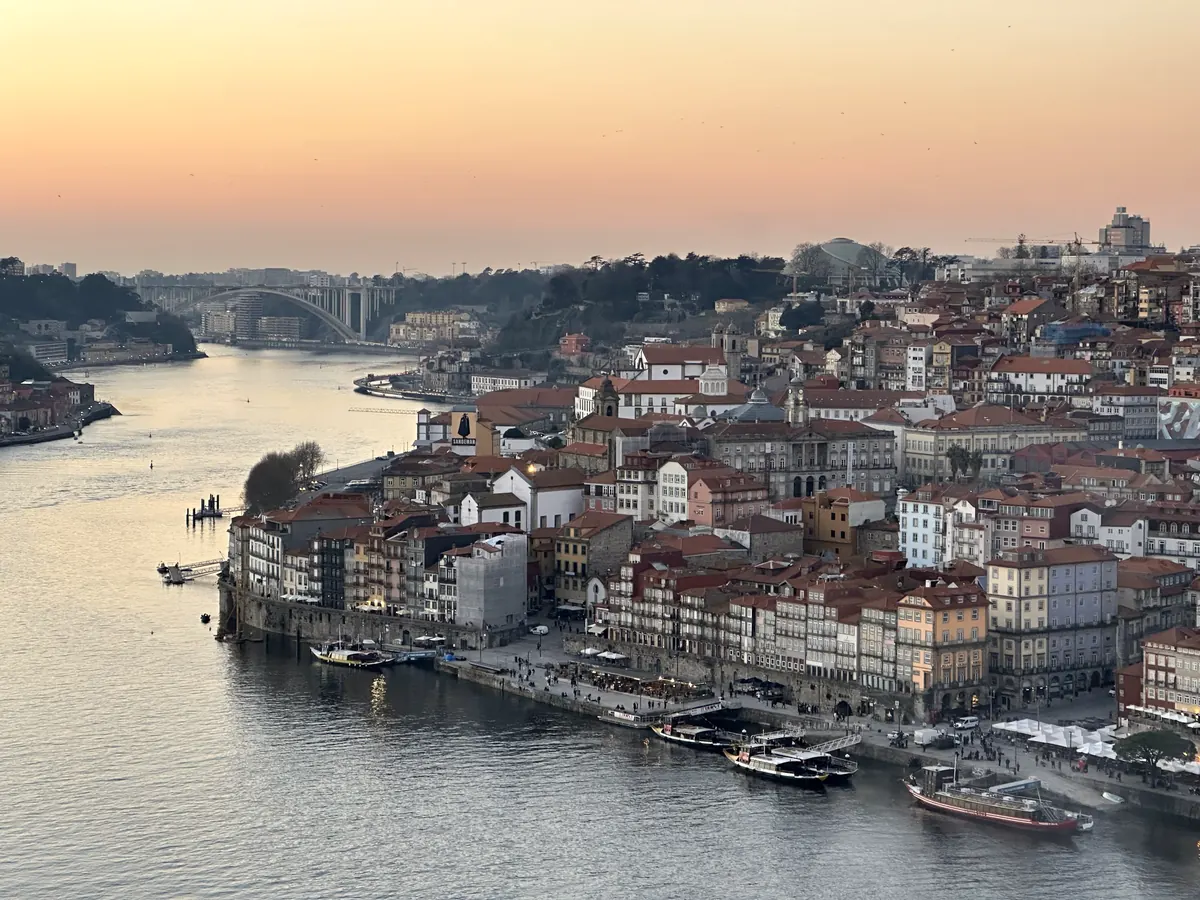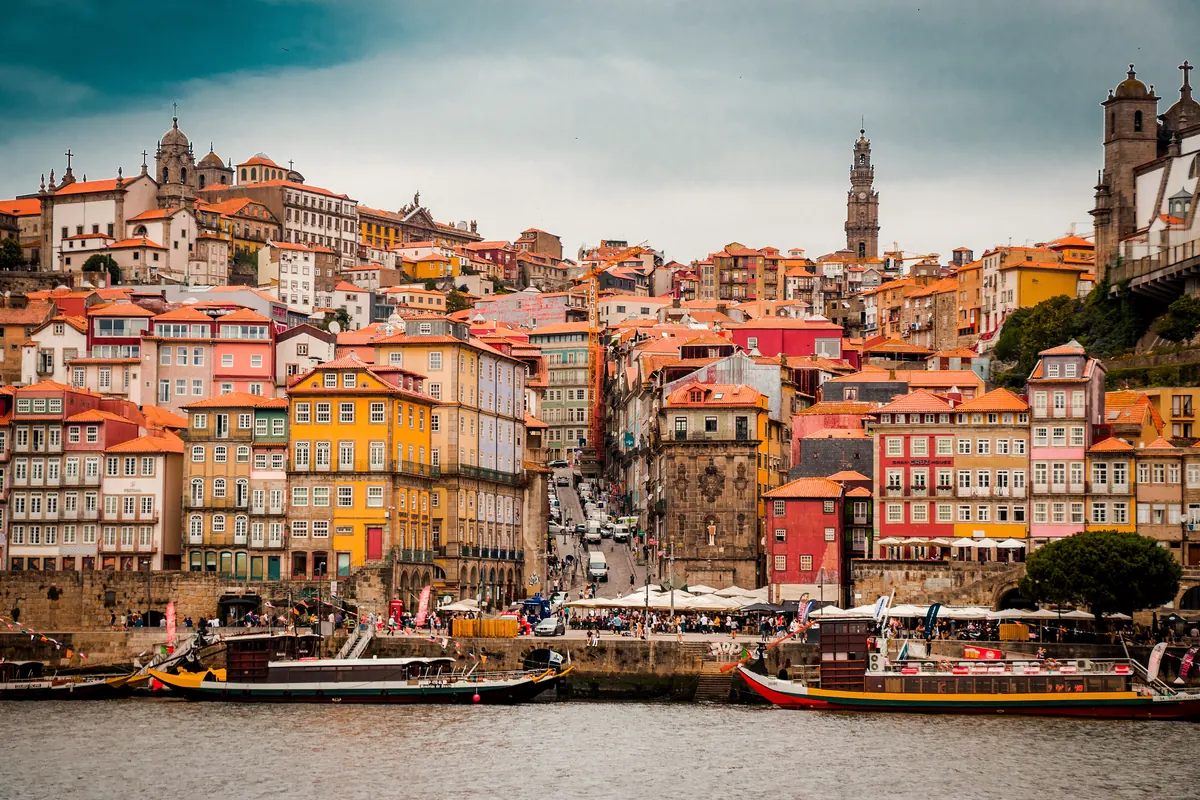
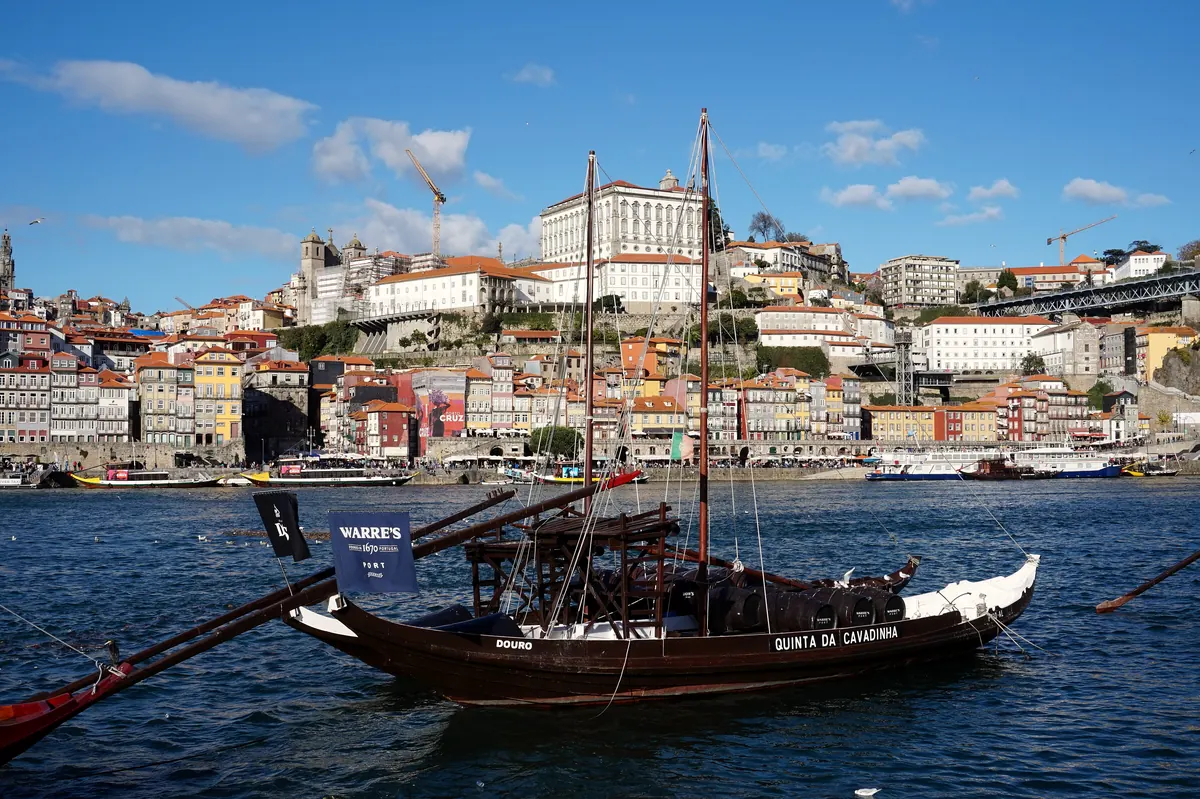
Ribeira is the strip of medieval Porto that tumbles down to the Douro: a quay of tall, narrow houses painted in ochre, rust and faded green, laundry on the balconies, and the iron arch of the Dom Luís I bridge closing the view to the east. It is the image on almost every Porto postcard, and for once the image undersells it — the light that comes off the river in the late afternoon is the reason many people fall for the city.
It is also the busiest, steepest and noisiest corner of Porto. This guide is about getting the best of it: when to come, where to walk, what to eat, and an honest answer to the question most travellers actually have — should we stay here?
01Ribeira at a glance
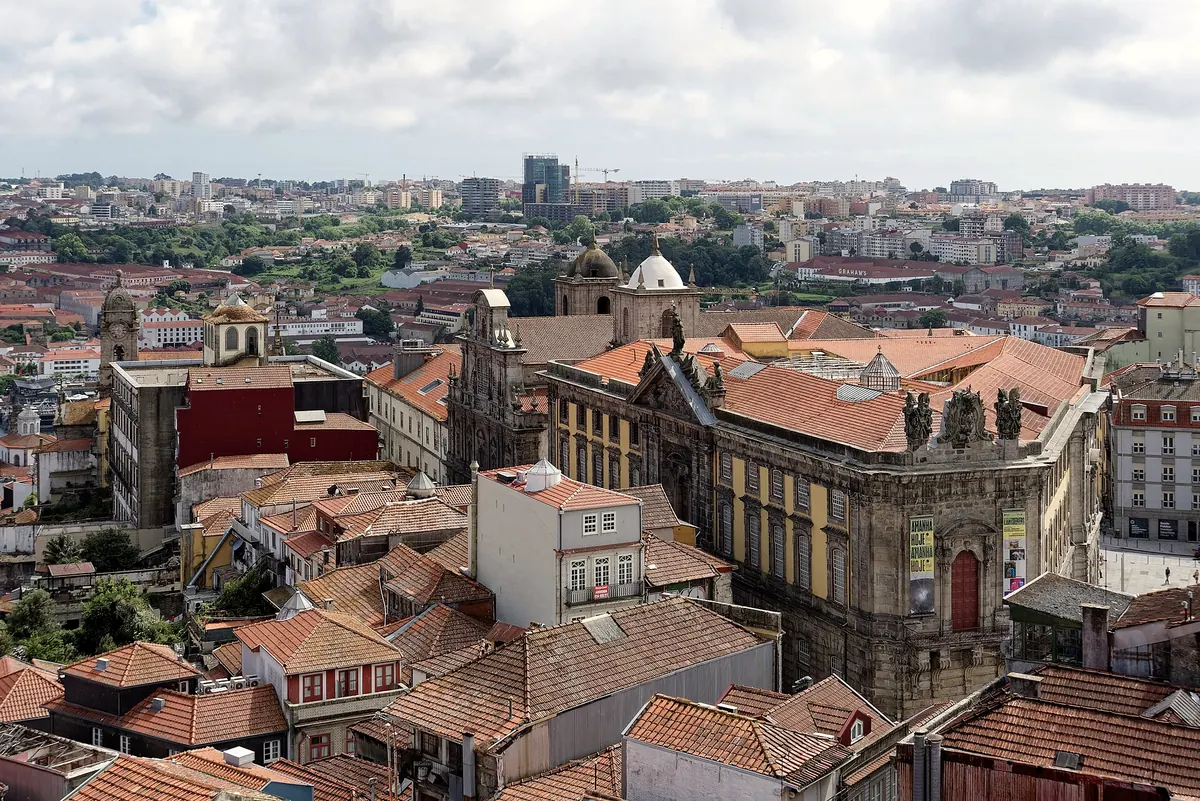
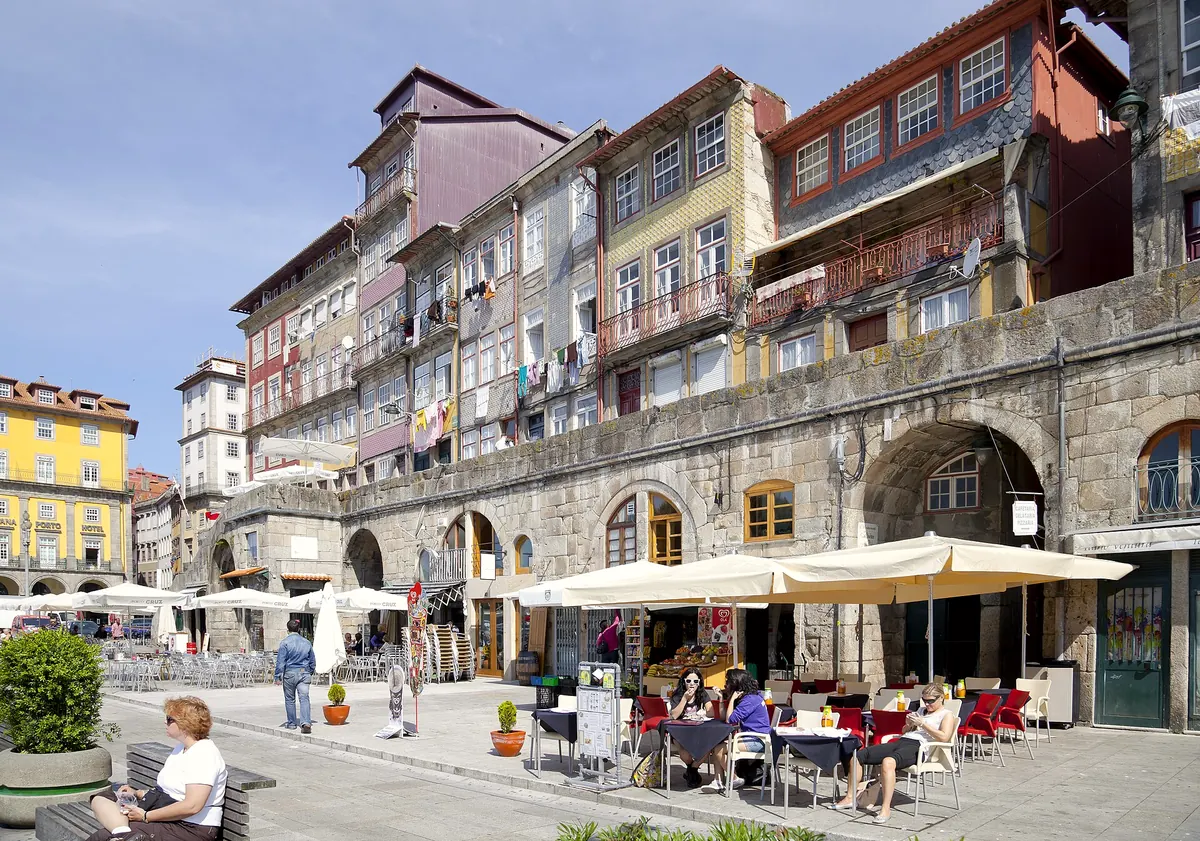
Think of Ribeira as three layers. At the bottom is the Cais da Ribeira, the riverside quay with its arcades and café terraces. Above it is a dense knot of lanes — Rua dos Mercadores, Rua da Fonte Taurina, the stepped alleys called escadas and calçadas — that climb toward the cathedral. At the top sit the Sé, the São Bento station and the shopping streets of the Baixa.
| Strength | Trade-off | |
|---|---|---|
| Atmosphere | River light, historic façades, life on the street | Crowds from late morning until late evening in peak season |
| Walkability | Most old-town sights are within 20 minutes on foot | Gradients are serious; cobbles are slippery when wet |
| Evenings | Terraces, river views, Gaia across the water | Noise, especially in lanes with bars below |
| Logistics | Short taxi hop to most of the city | Cars cannot reach many doors; luggage means stairs |
The short version: Ribeira is superb for one or two nights if you are agile and want atmosphere outside the door. For longer stays, families with strollers, or light sleepers, it is usually better as a place you visit rather than the place you sleep.
02When to go — and when to avoid it
The quay changes character completely across a day. Early morning, before about 9:30, belongs to delivery vans, people hosing down terraces and the first boats being readied — it is the best time for photographs and for walking the lanes without stepping aside every ten metres. From late morning, river-cruise groups and day-trippers arrive and the waterfront stays busy through dinner.
Golden hour is the moment most people come for. In summer the sun sets late (around 21:00 at the end of June), so the warm light on the Gaia side and on the façades arrives after dinner reservations have started. In winter the show is earlier and quieter, with a real chance of rain: Porto is one of the wetter cities in Portugal, and the stone gets slick.
Do Ribeira twice: once early for the lanes, once at sunset for the river. Skip the middle of the day, when the quay is at its most crowded and the light is flattest.
03A slow walk through the old town
This loop takes about two hours with stops and is easiest done downhill, so start at the top.
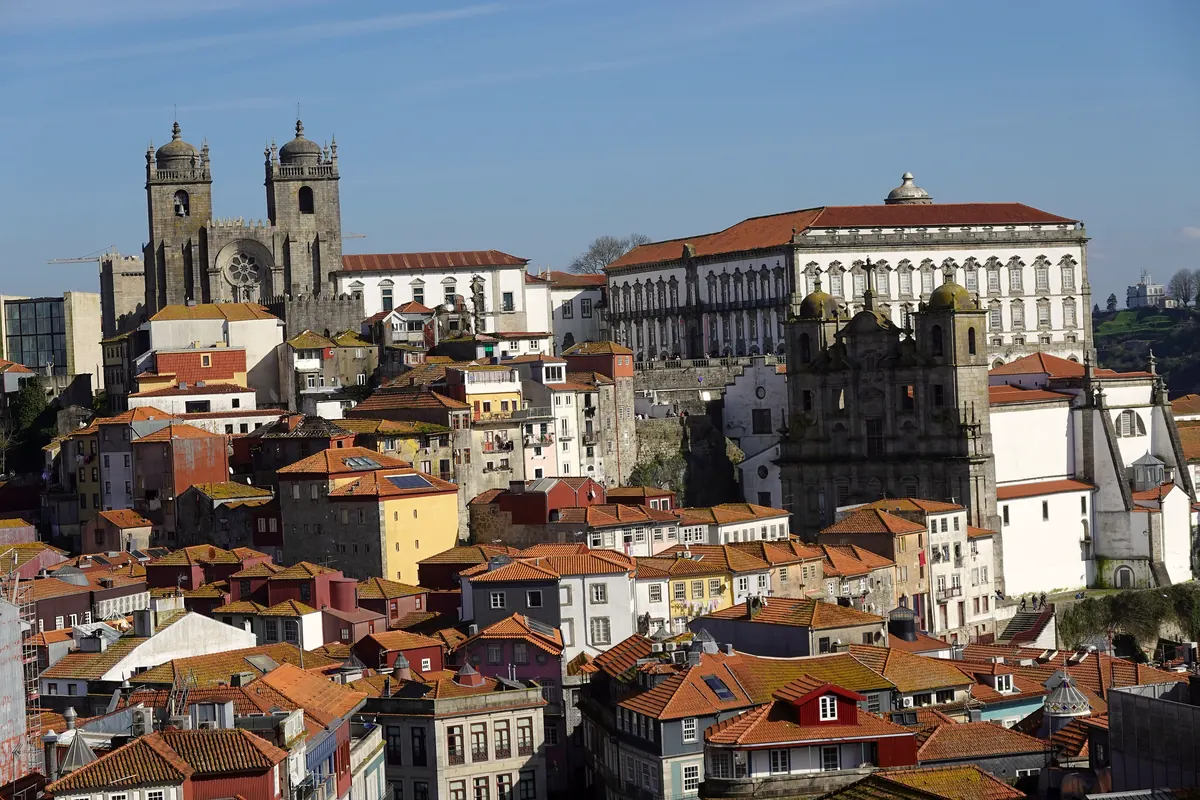
- Terreiro da Sé. The cathedral terrace is the best free orientation point in the city: rooftops, the river, the bridge’s upper deck. Go early; tour coaches arrive mid-morning.
- Down the Calçada de Vandoma and the Escadas das Verdades. Stepped lanes with views over the roofs. Wear shoes with grip.
- Rua dos Mercadores and Rua da Fonte Taurina. The medieval trading lanes that fed the quay — small restaurants, tiled façades, and the noise of the river getting closer.
- Cais da Ribeira. Walk the quay east toward the bridge, then back west past Praça da Ribeira and the Casa do Infante.
- Igreja de São Francisco. A Gothic church with one of the most lavish gilded-wood interiors in Portugal (ticketed; check current hours).
- Finish at Miragaia. Keep walking west along the river for a quieter, more residential stretch with fewer terraces and more locals.
04Should you stay in Ribeira?
Stay here if your trip is short, your priority is atmosphere, and you are comfortable with hills. The magic of walking out at 7:30 to an empty quay is hard to replicate from anywhere else, and Gaia’s port lodges are a ten-minute walk across the lower deck of the bridge.
Look elsewhere if you need step-free access, sleep lightly, or plan to stay five nights or more. Cedofeita and the Baixa give you a central base with flatter streets; Foz gives you sea air and quiet; Boavista gives you larger, more conventional hotels and easy metro links.
What to check before you book
- Exact street and floor. “Ribeira” on a listing can mean the quay, a lane 80 steps above it, or the Baixa. Look at the pin, not the name.
- Lift and luggage. Many historic buildings have no lift. Ask whether a car can reach the door — often it cannot.
- Windows. River-view rooms are the dream; rooms above a bar lane are the reality for some. Ask for the side of the building.
- Tourist tax. Budget €3 per adult per night on top of the rate; it is usually collected at the property.
05Eating and drinking well
The quay terraces are about the view rather than the cooking, and their prices reflect it. That is fine for a drink at sunset; for dinner, walk two or three lanes back or uphill. Look for short handwritten menus, a dish of the day (prato do dia) at lunch, and dining rooms where Portuguese is the dominant language at 21:00.
Classic things to order around here: grilled fish priced by weight, polvo à lagareiro (octopus roasted with olive oil and potatoes), bacalhau in many forms, and — if you are curious — tripas à moda do Porto, the bean-and-tripe stew that gave the city’s people their nickname, tripeiros. For the city’s most famous sandwich, see our eat & drink guide.
Bread, olives or butter placed on the table before you order are usually charged as couvert. It is normal and legal, and you can simply send them back if you do not want them.
06On the water: boats and the Gaia crossing
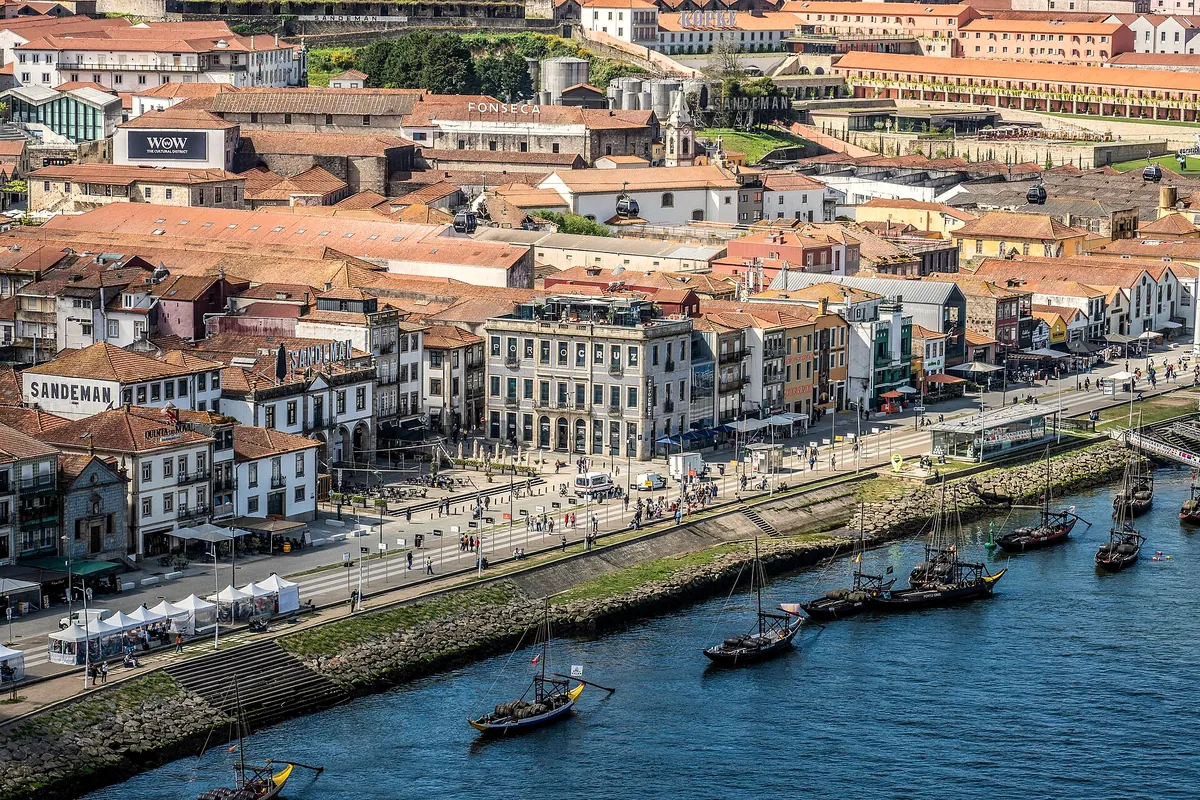
The short “six bridges” cruises leave from both the Ribeira and Gaia sides and take about 50 minutes, running upriver under the city’s bridges and back. They are touristy but genuinely useful: you see how the city is built into the gorge, which is hard to grasp from street level. Late afternoon departures have the best light.
To cross to Gaia on foot, use the lower deck of the Dom Luís I bridge from the eastern end of the quay. For the view back to Ribeira at sunset, climb on the Gaia side to the Jardim do Morro, or take the cable car along the Gaia waterfront.
07Hills and stairs: getting around without them
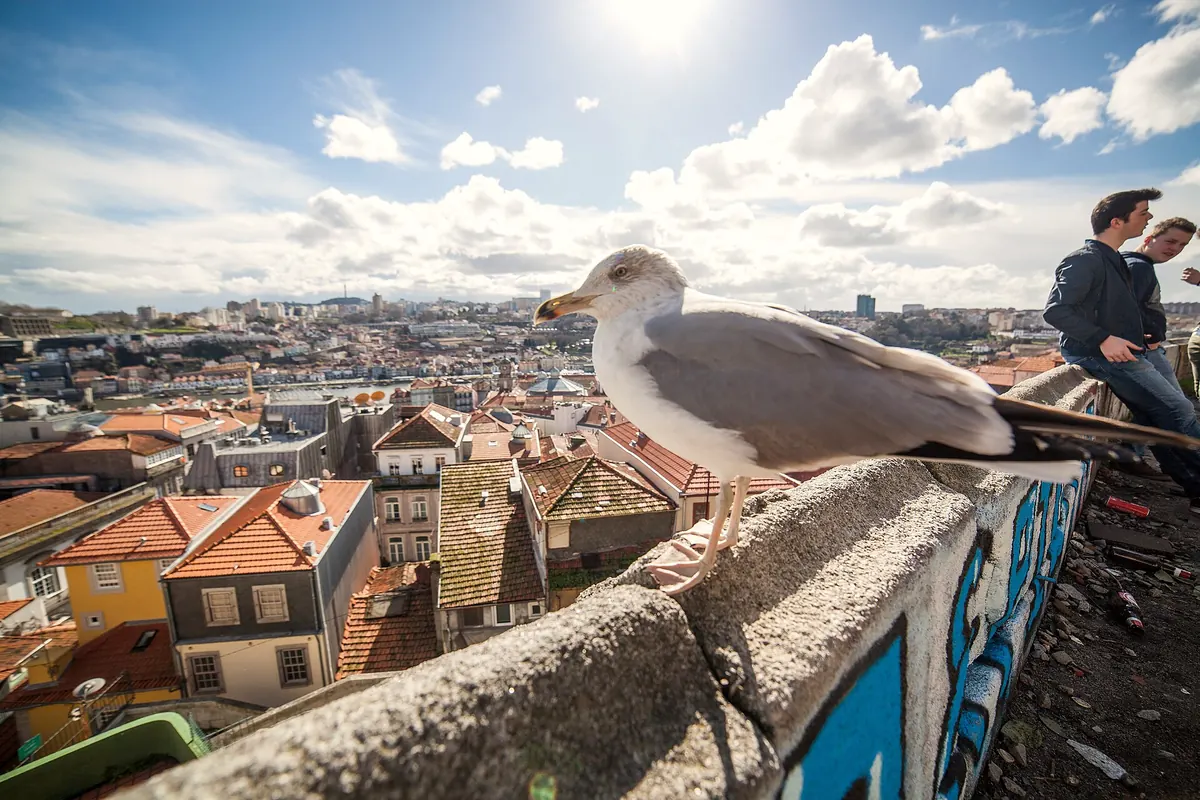
Ribeira sits at the bottom of a gorge, and every route out of it climbs. Three shortcuts make life easier. The Funicular dos Guindais runs up the cliff from beside the lower deck of the Dom Luís I bridge to Batalha, near the upper town, in a couple of minutes. On the Gaia side, the cable car links the waterfront with the upper deck of the bridge. And taxis can reach the quay itself, so you do not need to haul luggage up the lanes.
If anyone in your group has limited mobility, choose accommodation with a lift and ask the property exactly how far the car can get to the door — some lanes are pedestrian-only or stepped.
08Practical notes
- Getting here: the nearest metro station is São Bento (line D), then downhill on foot. From the airport, line E runs to Trindade in about 27 minutes; change there or take a taxi for the last stretch if you have bags.
- Tram: historic line 1 starts at Infante and runs along the river to Foz — a lovely, slow way to reach the Atlantic. Onboard tickets for the historic lines are sold separately from regular Andante fares.
- Safety: Ribeira is generally safe, but busy waterfronts attract pickpockets. Keep phones off café tables at the edge of the terrace.
- Accessibility: the quay itself is flat; nearly everything around it is not. The Guindais funicular links the riverside near the bridge with Batalha, saving a steep climb.
QuestionsFrequently asked
Is Ribeira a good area to stay in Porto?
Yes, for short stays focused on atmosphere and walking, if you can handle stairs and some noise. For longer trips, families, or travellers needing step-free access, Cedofeita, the Baixa, Boavista or Foz are usually more comfortable.
How do I get from Ribeira to the port cellars in Gaia?
Walk across the lower deck of the Dom Luís I bridge from the eastern end of the quay — it takes about ten minutes to reach the first lodges on the Gaia waterfront.
When is Ribeira least crowded?
Early morning, roughly before 9:30, and on weekday evenings outside July and August. Late morning to early evening in summer is the busiest window.
First-hand slot: photography on this page is licensed from Wikimedia Commons (credited under each image) and is not our own trip photography. Add dated, on-the-ground notes and original photos here once an author has visited.